
What Affects Hookah Price? Materials, Engineering, and Brand
What determines the price of a hookah? A hookah’s cost depends directly on the quality of its raw materials, the precision of its mechanical engineering, and the manufacturing standards of the brand behind it.
Premium metals and thoughtful airflow design deliver a smooth draw and last for years, while entry-level alloys and mass production keep upfront costs low.
What Is Included in a Hookah’s Price?
When you purchase a hookah, the price tag often covers much more than a decorative centerpiece. A full setup usually includes the stem, the submerged downstem that sits in the water, a charcoal tray, a glass base, hose ports, and purge valves.
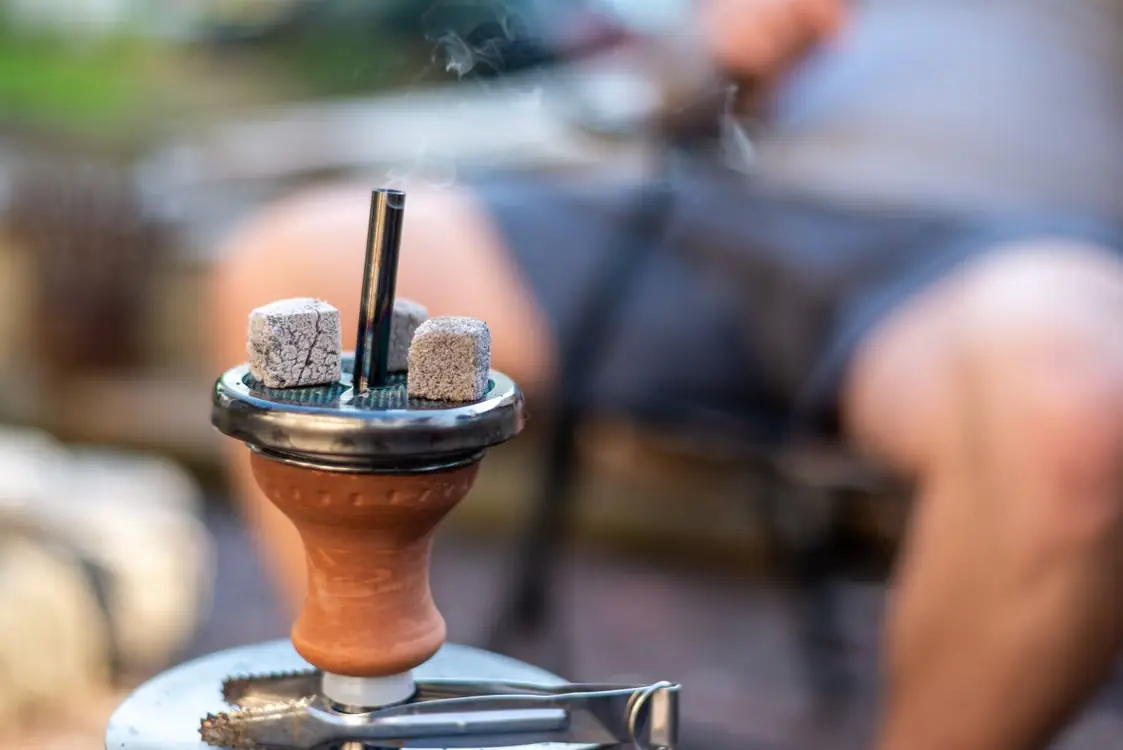
Depending on the manufacturer, the package may also include high-grade hookah accessories like a food-grade silicone hose, an ergonomic handle, a clay bowl, and a heat management device (HMD), which regulates charcoal heat over your hookah tobacco.
The price also accounts for production steps you cannot see in the box. High-end modern hookah design begins with detailed 3D modeling and custom tooling that can cost thousands of dollars. Trusted brands invest heavily in precise Computer Numerical Control (CNC) machining, material safety testing, protective packaging, and international shipping to ensure your setup arrives ready for an authentic experience.
How Do Entry-Level, Mid-Range, and Luxury Hookahs Compare?
In hookah culture, hookahs generally fall into three tiers. Each tier uses distinct materials, offers a different lifespan, and provides a unique smoking feel. Entry-level models, typically priced under $75, rely on stamped aluminum, cast zinc alloys, and lightweight glass. While they can deliver a decent session when paired with a quality bowl, their thin metal threads can wear down quickly. With regular use, they often last six to twelve months.
Mid-range hookahs, priced between $75 and $200, are a favorite choice for home enthusiasts. These pipes usually feature V2A or 304 stainless steel along the inner smoke path, thick glass bases, hidden purge systems, and built-in diffusers for a quiet, smooth draw. Luxury models, starting at $200 and reaching well beyond $500, introduce surgical-grade metals, stabilized wood, real carbon fiber, and magnetic connections crafted in limited batches by skilled European artisans.
Compare durable stainless steel hookahs →How Do Hookah Materials Change the Price?
Raw materials represent one of the biggest production costs. A hookah must withstand continuous heat, moisture, and the natural acidity of molasses, which is the flavorful syrup used to cure hookah tobacco. The durability and corrosion resistance of the metal dictate how long your pipe lasts and how clean your smoke tastes.
Manufacturers balance raw material costs against machining difficulty. Softer metals are quick to mold and cut, which keeps factory tool wear low and retail prices affordable. In contrast, industrial-grade metals require specialized carbide tools, slower cutting speeds, and constant cooling during production. These extra steps raise manufacturing costs, but they reward you with exceptional durability.
Stainless Steel: Durability, Corrosion Resistance, and Value
Stainless steel-specifically AISI 304 (also known as V2A) and surgical-grade 316-is the gold standard for premium hookah equipment. Its chromium and nickel content shields the metal against rust, water exposure, and acidic molasses residue. A well-built stainless steel stem can easily handle daily sessions for ten years or more without pitting or corroding.
Producing stainless steel parts requires time and heavy machinery. The metal hardens as it is cut, so CNC machines must run slowly using continuous liquid cooling. Cutting a detailed valve from solid stainless steel can cost several times more than casting it from soft brass or molding it from plastic. Established makers also verify their metal supplies to ensure you receive genuine, long-lasting steel rather than cheaper grades that degrade over time.
Aluminum and Brass: Lighter Construction Versus Traditional Appeal
Anodized aluminum is a popular metal for modern, travel-friendly pipes. It cuts quickly during machining, which keeps production costs fair, and it keeps the complete pipe lightweight. The anodizing process creates a hard outer layer that resists rust and allows for vibrant colors. However, aluminum is softer than steel. A hard fall can dent it, and cross-threading the connections can strip the metal, shortening the pipe’s usable life.
Brass carries a heavier, traditional presence. Thanks to its copper content, brass offers natural antimicrobial properties and machines smoothly. It also transfers heat very fast-roughly seven times faster than stainless steel-which means a brass stem can warm up during a long session. High-end brass pipes require specialized surface treatments to keep the metal stable in water, which adds extra finishing costs.
Glass Bases: Design, Thickness, and Breakage Risk
The base holds the water that cools and filters your smoke. Entry-level bases are typically mass-produced in high-speed molds. You might spot visible seams, uneven glass walls, or tiny trapped air bubbles. These small flaws make the base vulnerable to sudden temperature shifts, such as rinsing a cold base with warm tap water.
Higher-priced hookahs use thick, heavy glass or mouth-blown crystal that undergoes a controlled cooling process to eliminate internal stress. Skilled artisans inspect each base for clarity and balance. Bases with uniform thickness resist temperature changes well. Premium bases often feature heavy, hand-cut crystal bottoms that lower the center of gravity, keeping your hookah steady on the table.
Wood, Carbon Fiber, and Mixed-Material Hookahs
Modern hybrid hookahs combine a stainless steel inner core with an exterior sleeve made from exotic hardwoods, colored resins, or woven carbon fiber. These designs showcase incredible craftsmanship, using specialized turning techniques and marine-grade protective coatings to shield the wood from humidity.
Building a hybrid pipe demands tight engineering. Natural wood expands and contracts with changes in air humidity, while steel stays rigid. The internal joints must accommodate these natural shifts without leaking air. Sleeves made of carbon fiber or medical-grade polyacetal (POM) also require multi-step hand assembly, which naturally raises the final retail cost.
Which Engineering Features Increase Hookah Cost?
A hookah is a sealed system that relies on negative pressure. When you inhale through the hose, you pull air over the coals, through the bowl, down the stem, and through the water to create thick clouds. Achieving a smooth, effortless draw requires thoughtful mechanical design.
Advanced engineering adds labor to every stage of manufacturing. Tighter sizing limits, deburred edges, and integrated airflow chambers all require extra machine time. This attention to detail turns a basic pipe into a refined piece of equipment that responds instantly to every pull.
Precision Machining and Airtight Connections
A hookah must remain completely airtight from the bowl port down to the hose connector. Basic pipes often rely on rubber friction grommets that can dry out, tear, or leak air over time. Mid-range and luxury models use precision metric threads, quick-turn click systems, or neodymium magnetic ports that lock into place cleanly.
Machining these airtight connections requires strict quality tolerances. A thread cut too loose will leak air, while a thread cut too tight can bind when mineral deposits from tap water build up. Smooth threads that turn without wobbling require sharp cutting tools, regular gauge testing, and hand-finishing to remove tiny metal burrs.
Diffusers, Purge Valves, and Adjustable Airflow
A quiet, smooth smoking experience is a cornerstone of modern hookah engineering. A downstem diffuser features small perforations that break large air bubbles into tiny ones. This reduces water bubbling noise, cuts down on vibration, and helps cool the smoke efficiently. Many premium pipes include adjustable diffusers, allowing you to slide or twist the fitting to switch between a light draw and a traditional pull.
Purge valves have also evolved beyond external screw caps with loose metal balls. Modern hookahs feature internal purge channels built directly into the stem’s central heart. They can redirect purged smoke upward along the stem, downward across the base, or out through artistic cutout vents. Precision-machined chambers paired with lightweight plastic or glass valve balls let you clear stale smoke from the base with a single gentle exhale.
Stem Design, Water Flow, and Heat Management
The internal diameter of the stem directly shapes your draw. Higher-end pipes usually feature wide internal pathways between 11 and 13 millimeters to minimize air resistance. Transitions between the bowl port, central stem, and downstem are carefully smoothed so molasses and moisture cannot pool in hidden corners.
Thermal control inside the stem also plays an important role. A dense metal stem absorbs heat naturally, cooling the smoke before it ever reaches the water base. When you pair an engineered stem with a quality bowl and a heat management device, you gain steady control over your heat, helping you draw out rich flavors from your shisha without scorching the tobacco.
Why Tolerances, Seals, and Replacement Parts Matter
A well-made hookah functions as a long-term setup built from modular, replaceable parts. Premium makers choose high-grade silicone or fluoropolymer O-rings that resist the aromatic oils in flavored molasses. They also design their pipes with standard dimensions, removable downstems, and modular sleeves.
This design philosophy protects your investment. If a glass base breaks or an O-ring wears out after years of use, a reputable maker provides direct replacement parts that fit seamlessly. Mass-produced pipes often use proprietary glued joints. If a single seal fails on a glued pipe, the entire setup may need to be replaced.
How Does Brand Reputation Affect Hookah Price?
In the hookah world, brand reputation is built on authentic craftsmanship, safe materials, and responsive customer care. An established brand may carry a higher price, but that investment funds genuine material testing, thoughtful design, and support long after your purchase.
Reputable manufacturers protect their standing through strict supplier standards and warranty programs. Choosing a trusted name gives you peace of mind that your inner stem is made of genuine, food-safe stainless steel rather than unverified metal plating that could peel or rust.
Brand Research, Design Investment, and Manufacturing Standards
Pioneering manufacturers spend considerable resources on research and development. Perfecting an internal purge valve or an adjustable draw system involves digital airflow modeling, multiple 3D-printed prototypes, and extensive testing in real-world environments before mass production begins.
These innovators introduce the design trends that define modern hookah culture. Securing international design patents and specialized tooling requires capital. When you buy from an authentic manufacturer, you support the continuous evolution of hookah engineering rather than low-grade copies that mimic visual shapes without mastering the internal airflow.
Handcrafted Production Versus Mass-Market Manufacturing
Production style dramatically influences the price of a hookah. Mass-market pipes are cast by the thousands in automated plants where components are stamped out in seconds. These factories use low-cost alloys that are quickly trimmed and electroplated, keeping labor expenses low.
In contrast, artisan hookahs from dedicated European workshops are produced in small batches. Stems are individually milled from solid bars of surgical steel on multi-axis CNC machines and hand-polished to remove every trace of tooling marks. Hand-blown crystal bases are shaped by experienced glassmakers using diamond cutting wheels. This focused manual labor limits yearly output, which is reflected in the final retail price.
Warranty Coverage, Quality Control, and Customer Support
Part of a recognized brand’s value is the dedicated service behind the product. Established makers employ support teams, maintain spare-parts inventories, and provide straightforward warranties covering structural defects or machining issues. If a valve sticks or a connection needs attention, you have a direct path to a solution.
Consistent performance requires thorough factory inspections. High-end brands verify metal composition and test components against corrosion to ensure they withstand humid environments. Budget-focused factories rarely perform these checks, leaving buyers to discover structural flaws on their own.
How To Identify Branding Premiums That Do Not Improve Performance
While authentic engineering justifies a higher cost, some price markups are purely cosmetic. Inexpensive hydro-dipped carbon prints, decorative resin sleeves, or shiny metallic finishes applied over cast metal can make a basic pipe look expensive without improving its draw or lifespan.
To ensure you are paying for true quality, look at the functional core. A pipe lacks true value if it hides an uncertified metal downstem, relies on fragile glue, or uses loose rubber fittings instead of machined joints. Always inspect the internal smoke path, the purge mechanism, the glass density, and the hose connection before committing to a purchase.
Browse lightweight aluminium hookahs →What Does a Hookah Cost at Different Quality Levels?
Hookahs span several distinct price tiers, each offering a specific balance of durability, airflow refinement, and material strength. Understanding these tiers helps you choose the perfect setup for your lifestyle and personal budget.
Whether you want a portable setup for weekend trips or a striking centerpiece for your home lounge, matching your expectations to the right tier ensures you invest where it matters most. Keep in mind that lifespan depends heavily on how well you care for your hookah. With regular cleaning and careful handling, even an inexpensive model can last for years.
| Price Tier | Typical Price Range | Primary Materials | Expected Lifespan | Target Smoker Profile |
| Budget | Under $75 | Zinc alloy, thin aluminum, molded soda-lime glass | Up to 5 years with proper care (build quality is noticeably weaker) | Beginners exploring hookah, outdoor travel |
| Mid-Range | $75 – $200 | Anodized aluminum, 304 stainless steel, dense glass | 5+ years; models near the top of this range are very hard to damage | Regular home enthusiasts, daily sessions |
| Premium | $200 – $500 | V2A/316 stainless steel, heavy crystal, POM, carbon fiber | Practically doesn’t wear out; only occasional replacement of individual parts | Connoisseurs, commercial shisha lounges |
| Luxury | Above $500 | Exotic hardwoods, titanium accents, Bohemian crystal | Lifetime, combined with unique design and often extra technical features | Collectors, luxury home spaces |
Budget Hookahs Under $75: Basic Materials and Limited Features
Budget-friendly pipes are designed for newcomers who want to learn the basics of bowl packing, charcoal placement, and heat management without a large upfront commitment. These models are typically compact, lightweight, and sold as all-in-one kits that include a simple hose, a standard ceramic bowl, and charcoal tongs.
Keeping prices low requires compromises. The downstems use thinner metals, purge valves may occasionally stick, and internal components can show signs of corrosion if left wet between sessions. A frequent weak point on budget hookahs is the adhesive holding the metal neck to the glass base, which can weaken over time with warm water washings.
Mid-Range Hookahs From $75 to $200: Balanced Quality and Performance
The $75 to $200 range represents the sweet spot for many dedicated hobbyists. In this category, the internal downstems and core smoke paths are made from dependable 304 stainless steel. This prevents rust and stops strong flavors from ghosting inside the stem, letting you explore new flavors with pure taste during every session.
The mechanical features also see a major upgrade here. You will find integrated downstem diffusers, cleanly cut threads, and discreet multi-port purge systems. Bases are molded from thick, heavy glass that stays planted on flat surfaces. For most enthusiasts who enjoy regular sessions at home, this tier offers fantastic performance and lasting value.
Premium Hookahs From $200 to $500: Engineering and Finish
The premium segment showcases modern hookah design at its finest. Pipes in this tier are crafted from solid surgical stainless steel, aircraft-grade anodized aluminum, and resilient engineering polymers. These materials deliver whisper-quiet draws and silky-smooth threading that fits together effortlessly.
Surface treatments often feature durable physical vapor deposition (PVD) or specialized powder coatings that resist scratches and heat marks. You will also enjoy functional innovations like 360-degree snap locks, multi-directional purge vents, and magnetic hose ports. Because of their remarkable resilience, hookahs in this category are standard fixtures in top-tier commercial lounges.
Luxury Hookahs Above $500: Craftsmanship, Rarity, and Collectibility
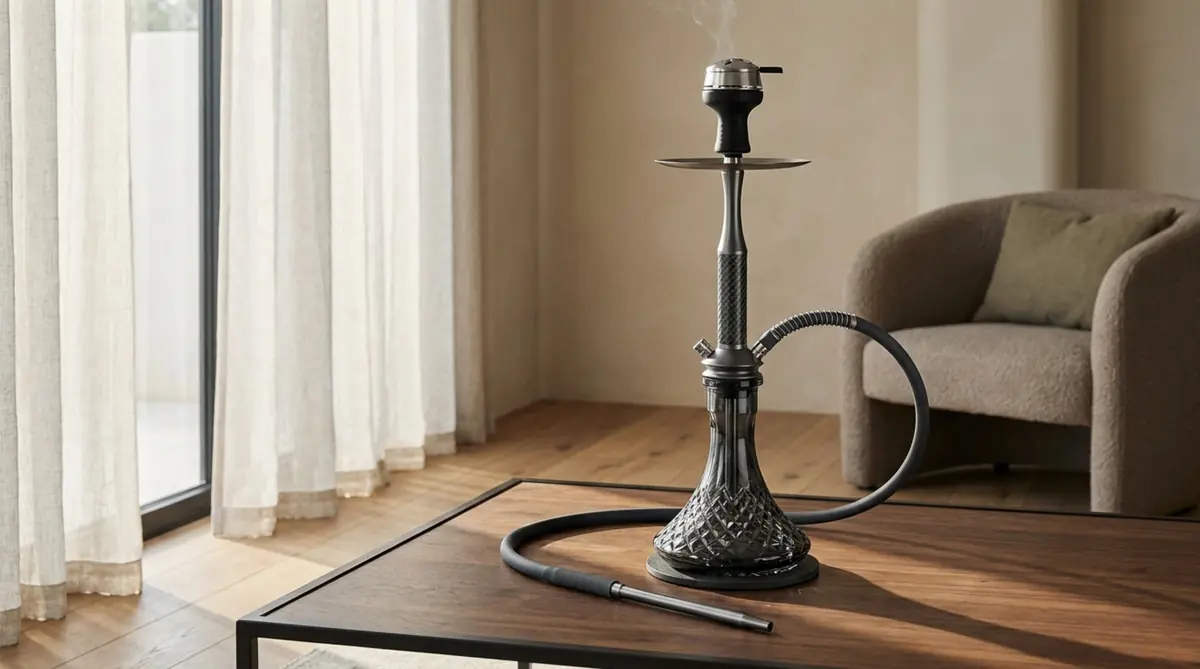
Above $500, a hookah becomes an heirloom piece of art as much as a functional smoking pipe. Luxury makers combine high-precision metal turning with hand-finished artistry, using stabilized exotic hardwoods, real carbon fiber weaves, and genuine gold-leaf accents.
The water vases are frequently mouth-blown and diamond-cut from heavy Bohemian crystal, offering brilliant clarity and light reflection. While a luxury pipe draws similarly to a well-tuned stainless steel mid-range model, the extra investment goes into artisanal craftsmanship, limited production numbers, and timeless aesthetics that elevate any living space.
How Accessories and Shipping Change the Final Purchase Price
Keep in mind that the listed price for a stem and base may not be your total investment. Many high-end European models are sold as standalone stems. You may want to complement your setup with a high-fired clay bowl, a reliable heat management device, and an easy-to-clean silicone hose with an aluminum handle.
Shipping is another factor to consider. Heavy stainless steel stems and dense crystal bases can bring package weights to 4 to 7 kilograms. Delivering fragile glass and solid metal safely requires reinforced boxes and thick protective padding, which can add to your final delivery and import costs.
How Can You Judge Whether a Hookah Is Worth the Price?
To determine if a hookah justifies its price tag, look beyond promotional photos. Treat the pipe as an integrated mechanical system where material integrity, ease of cleaning, and available replacement parts matter far more than flashy decorative trim.
By evaluating the build quality, airflow design, and long-term maintenance requirements, you can choose a setup that delivers the perfect session every time you light your coals.
Check the Stem, Base, Tray, Hose, Bowl, and Heat-Management System
Focus first on the core components that interact directly with smoke and water. Look for an internal downstem made from seamless, thick-walled 304 stainless steel with smooth, clean edges. Spin threaded joints by hand; they should glide smoothly without catching, squeaking, or wobbling.
Next, examine the base and included accessories. Give the glass a gentle tap with your knuckle-dense, high-grade glass produces a clear resonance, while thin glass sounds hollow. Ensure the base sits completely flat on a table. If a bowl comes with the kit, check that it is made from dense clay or stoneware, which absorbs heat evenly and helps you achieve thick clouds without scorching your shisha.
Compare Airflow, Stability, Portability, and Cleaning Requirements
Select a pipe that matches where and how you like to relax. A tall, heavy traditional brass pipe might feel at home on a living room floor, but a compact stainless steel model with a wide base provides much better stability on a patio table when passing the hose among friends.
Airflow feel is completely personal. If you love an effortless, whisper-quiet draw, look for a wide internal bore paired with a multi-hole diffuser. If you prefer a tactile, classic rumble, a traditional narrower stem will suit you best. Finally, check how the hookah disassembles. A modular stem that unthreads into separate sections makes routine cleaning with warm water simple and straightforward.
Calculate Long-Term Value Through Durability and Replacement Costs
Rather than looking only at the initial sticker price, consider the total value of your sessions over time. A helpful way to evaluate a hookah’s true cost is by looking at its cost per session:
Total Cost per Session = (Initial Purchase Price + Accessories/Shipping – Resale Value) / Total Usable Sessions
For instance, an entry-level $60 zinc pipe that corrodes, strips its threads, or cracks after six months provides around 180 sessions, working out to roughly $0.33 per session before you need to replace it. A $240 precision-machined stainless steel pipe that delivers 1,500 consistent sessions across five years costs only about $0.16 per session. It preserves its value, looks great on your shelf, and provides a far richer flavor profile every single time.
Avoid Paying More for Appearance Alone
Aesthetics are an exciting part of hookah culture, but visual flair should never come at the expense of sound engineering. Bright spray paint, faux-carbon stickers, and flashy resin sleeves can easily hide low-grade metals that corrode under everyday use. If an attractive exterior hides an uncertified metal core, it will not deliver lasting enjoyment.
Always prioritize the working heart of the pipe: a clean stainless steel downstem, an airtight purge valve, and a stable base. High-grade materials and authentic craftsmanship ensure your setup remains reliable, smooth, and enjoyable long after short-lived design trends fade away.
See also.
Hookah charcoals without secrets – a tutorial
Coal is the primary fuel of the water pipe. Apart from electric heaters, adapted for smoking inhalation solutions, hookah charcoals have virtually no alternatives. Unfortunately, the traditional method of roasting them is not without drawbacks. It is, of course, about the negative effects of smoke inhalation on the human body. As with all stimulants, it […]
go to article
Water pipe for a gift: the perfect choice for the connoisseur
Water pipes, also known as hookahs, have long been popular among lovers of smoky pleasures. Choosing a water pipe as a gift is a great way to surprise and please a connoisseur of this traditional form of smoking. In this post, we’ll outline why an Arabic water pipe is an excellent gift, which water pipe […]
go to article
Which bowl to buy in 2023?A guide for beginners
Anyone who is interested in hookah knows that its most important element is not the water pipe itself, but the central role is played by the bowl. It is in the bowl that we place the tobacco or other type of food cartridge, it is in the bowl that the tobacco is roasted, and finally […]
go to article