
Japona
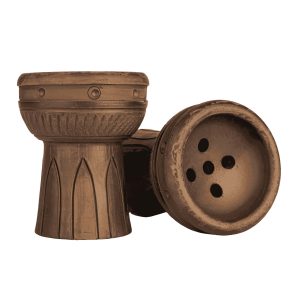
Japona Chasha Bowl
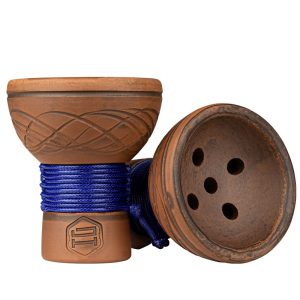
Japona Turkish Masta Blue Bowl
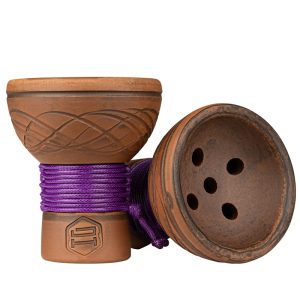
Japona Turkish Masta Purple Bowl
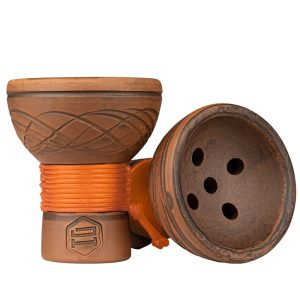
Japona Turkish Masta Orange Bowl
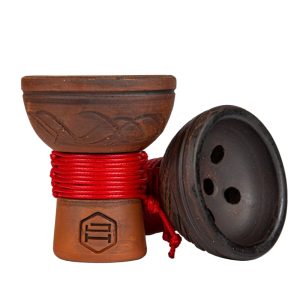
Japona Turkish Masta Red Bowl
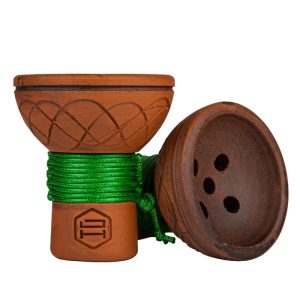
Japona Turkish Masta Green Bowl
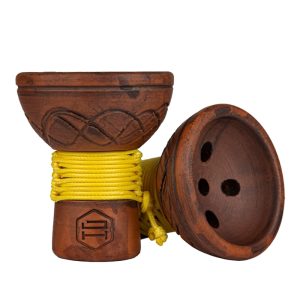
Japona Turkish Masta Yellow Bowl
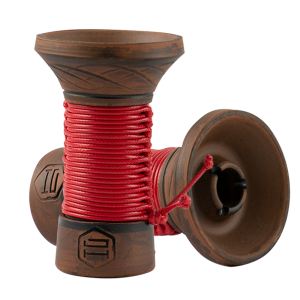
Japona Ego Phunnel Red Bowl
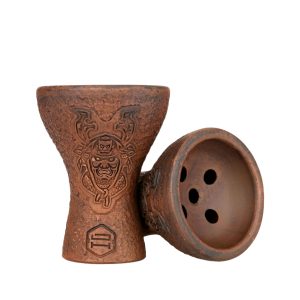
Japona Samurai Bowl
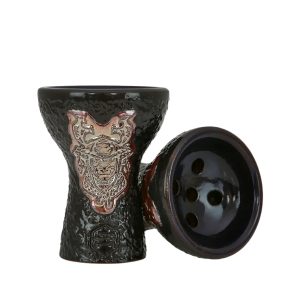
Japona Samurai Gold Bowl
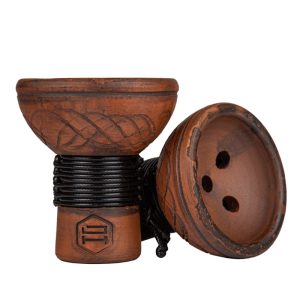
Japona Turkish Masta Black Bowl
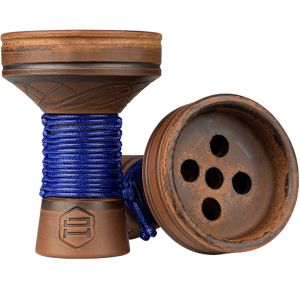
Japona Killer Masta Blue Bowl
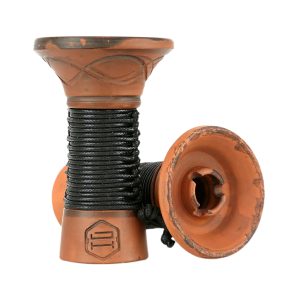
Japona Ego Phunnel Black Bowl
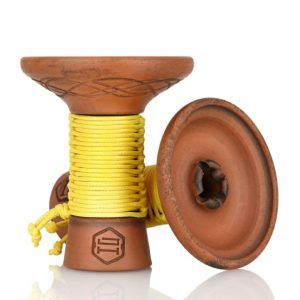
Japona Mummy Phunnel Yellow Bowl
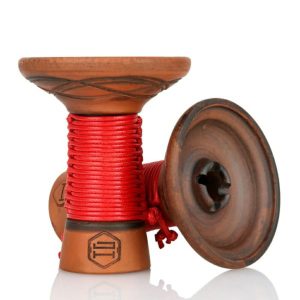
Japona Mummy Phunnel Red Bowl
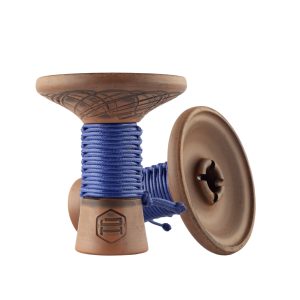
Japona Mummy Phunnel Blue Bowl
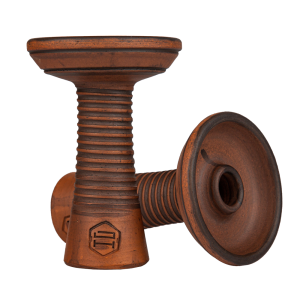
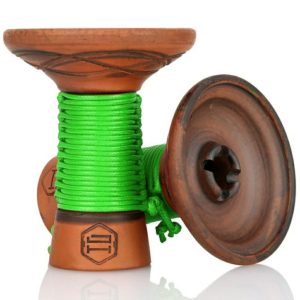
Japona Mummy Phunnel Green Bowl
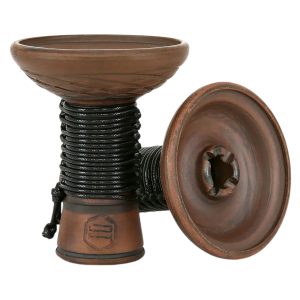
Japona Mummy Phunnel Black Bowl
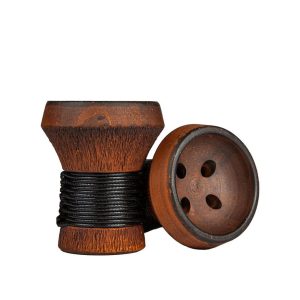
Japona JS Masta Black Bowl
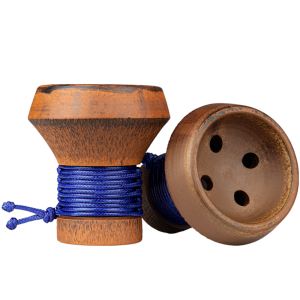
Japona JS Masta Blue Bowl
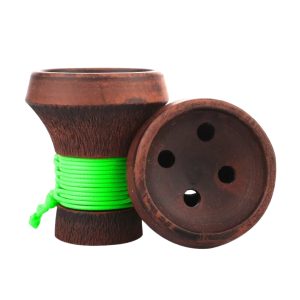
Japona JS Masta Green Bowl
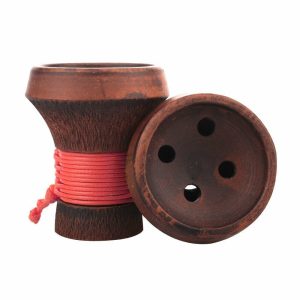
Japona JS Masta Red Bowl
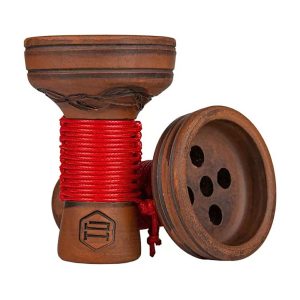
Japona Killer Masta Red Bowl
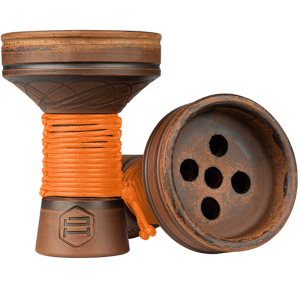
Japona Killer Masta Orange Bowl
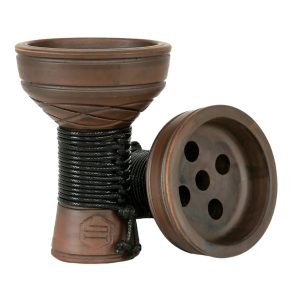
Japona Killer Masta Black Bowl
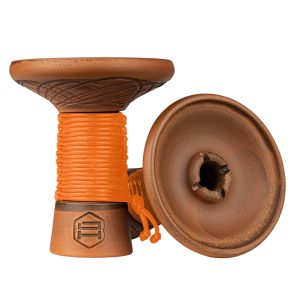
Japona Mummy Phunnel Orange Bowl
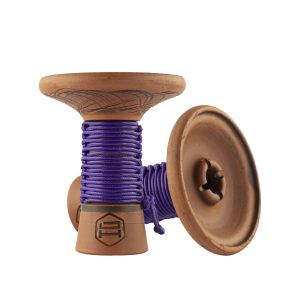
Japona Mummy Phunnel Purple Bowl
Japona
A Turkish bowl shape, thick red clay, and a samurai stamped on the side. Japona has never worried much about consistency of theme — and that’s a large part of the appeal.
Red Clay, Unglazed
Since 2015 the brand has worked almost entirely in thick, unglazed red terracotta. Fired clay of this type is porous, and that has one big consequence: it absorbs a little flavour from whatever you smoke in it. Over the first few sessions, the bowl seasons itself.
Used thoughtfully, that’s an advantage. Keep one bowl for dessert and mint blends, another for dark fruit, and each develops a character that supports the tobacco rather than fighting it. Rotate wildly between styles and you’ll get flavour crossover instead.
The thickness matters too. Heavy walls hold heat steadily, which means fewer temperature swings and a longer, more even session.
The Models and What They Do
- Turkish — five holes in the base, classic proportions, around 15 g capacity. Built for foil or an HMD.
- Samurai — the same idea as the Turkish, with a stamped design and a wooden presentation box. A common gift choice for that reason.
- Mummy — phunnel shape, which holds the molasses in the bowl instead of letting it run down into the stem.
- JS — smaller capacity, around 12 g, made for short and intense sessions.
- Ego and Killer — larger formats with thicker walls, aimed at long sits and heavier packs.
Turkish or Phunnel?
Worth thinking about before you order, because they suit different tobacco.
- A Turkish bowl with multiple base holes gives excellent airflow and works beautifully with drier, lighter blends.
- A phunnel keeps wetter, denser tobacco from leaking into the stem, and holds its juice where the heat can keep working on it.
If you mostly smoke modern dark leaf, go phunnel. If you’re on lighter blends or you enjoy a classic foil setup, the Turkish shape is the more traditional and often more forgiving option.
Breaking In a New Bowl
Rinse a new Japona bowl in warm water and let it dry fully before first use. Some people soak it briefly, which is fine, but it needs to be properly dry before you put coal anywhere near it.
Expect the first two or three sessions to carry a faint clay note. That’s normal for unglazed terracotta and it fades. After that the bowl settles into whatever flavour family you’re feeding it.
The Cord Isn’t Decoration
Most Japona bowls are wrapped in a waxed cord. It looks good, and it also gives you something to grip when the bowl is hot — useful when you need to lift it off the stem mid-session without reaching for tongs.
Keep the cord away from direct coal contact and it’ll outlast the bowl.
Small Batches, Real Variation
Production runs are deliberately limited. Colours vary between batches and some designs simply don’t return, which is why enthusiasts tend to buy a Japona bowl when they see it rather than waiting for a restock.
Keeping a Bowl Clean Without Ruining It
Unglazed clay needs a slightly different routine from a glazed bowl, and getting it wrong is how people end up disappointed.
Empty the bowl while it’s still warm, not hot. Rinse with warm water and use a brush on the inside — no detergent at all, since porous clay will hold onto soap and you’ll taste it for weeks. Let it dry fully before storing.
Don’t scrub the outside hard, and keep the waxed cord dry where you can. If a bowl picks up a flavour you no longer want, the honest answer is that you probably won’t remove it completely. That’s the trade-off for the seasoning effect, and it’s exactly why keeping separate bowls for separate flavour families is worth doing from the start.
Pick a Japona bowl and give one of your favourite flavours a home of its own.