
How to Pack a Hookah Bowl Without Blocking Airflow
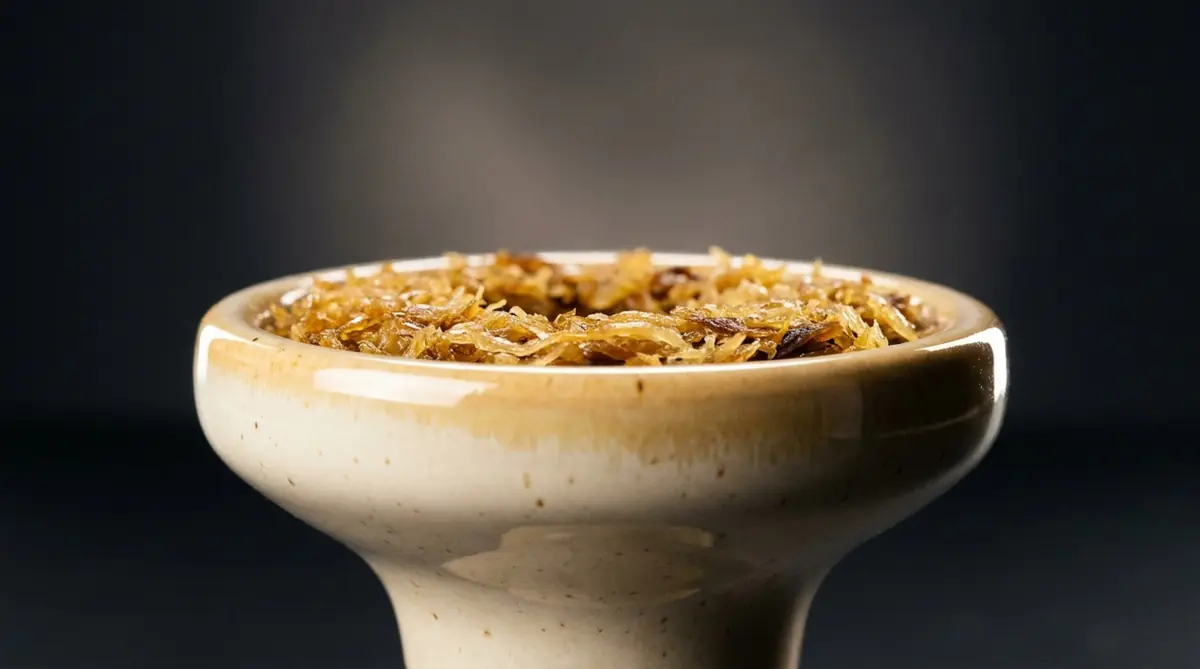
How do you pack a hookah bowl without blocking airflow? You gently separate the tobacco leaves, keep the air channels completely open, and leave a slight gap below the rim. This light, breathable setup lets heat circulate evenly, giving you a smooth draw, rich flavor, and thick clouds throughout your session.
Mastering this technique will completely transform your hookah session. When air moves freely through every leaf, your shisha bakes evenly instead of scorching on top while staying damp underneath. Your bowl shape, tobacco moisture, and packing density all work together to create an effortless pull and clean, delicious clouds.
Why Airflow Matters When Packing a Hookah Bowl
Airflow is the true engine of any hookah setup. When you draw from the hose, the change in pressure pulls fresh air across glowing coals, heating it before it travels through the shisha tobacco. If the leaves are packed too tightly, they create heavy resistance. Less heat circulates through the pack, which dulls your flavor profile and leaves you with thin smoke.
Many enthusiasts blame their hose, base water level, or stem diameter when a draw feels restricted. In reality, the restriction almost always happens inside the bowl. Air naturally follows the easiest path. If you pack the tobacco unevenly, you will end up with either a stiff draw or empty channels where air bypasses the tobacco entirely without picking up flavor.
How Air Moves Through the Shisha and Bowl
Heated air begins at your foil or heat management device (HMD)-a metal accessory designed to hold charcoal and regulate heat transfer. The air enters through top vents or punched holes and moves downward through the small spaces between tobacco leaves. In a well-prepared bowl, these open spaces act like tiny pathways that let hot air touch the shisha evenly.
As hot air sweeps through the tobacco, it vaporizes the vegetable glycerin, molasses (the sweet syrup that preserves and flavors the shisha), and flavorings. In a modern phunnel bowl, it moves over the rim of a raised center spire. If wet tobacco covers these exit points, air cannot escape freely, which tightens the draw across your entire hookah.
Why Proper Airflow Improves Heat Control and Flavor
Hookah tobacco is designed to bake gently and release vapor rather than burn directly. Open airflow carries excess heat down through the bowl before it chars the sugars in the molasses. When warm air reaches every layer, heat spreads evenly from the top to the bottom of the pack. This brings out the full depth of your blend, from bold base notes to subtle fruit aromas.
Restricted airflow traps heat right at the surface. Without enough air pulling the warmth downward, the top leaves turn dark and harsh while the lower shisha stays unheated. A clean, open draw balances your heat, extends the life of your bowl, and prevents an irritating throat hit.
Choose a phunnel bowl that keeps juices out of the airflow →Choose a Bowl That Supports Open Airflow
Bowl design directly shapes how air moves through your shisha. While experienced enthusiasts can enjoy a great session with almost any style, each bowl handles air in its own way. Matching your packing method to your bowl design keeps the draw open and smooth.
Bowls are defined by the placement of their air openings. Knowing where air exits helps you position the tobacco properly, manage syrup runoff, and prevent blockages during a long session.
Traditional Bowls with Holes Through the Base
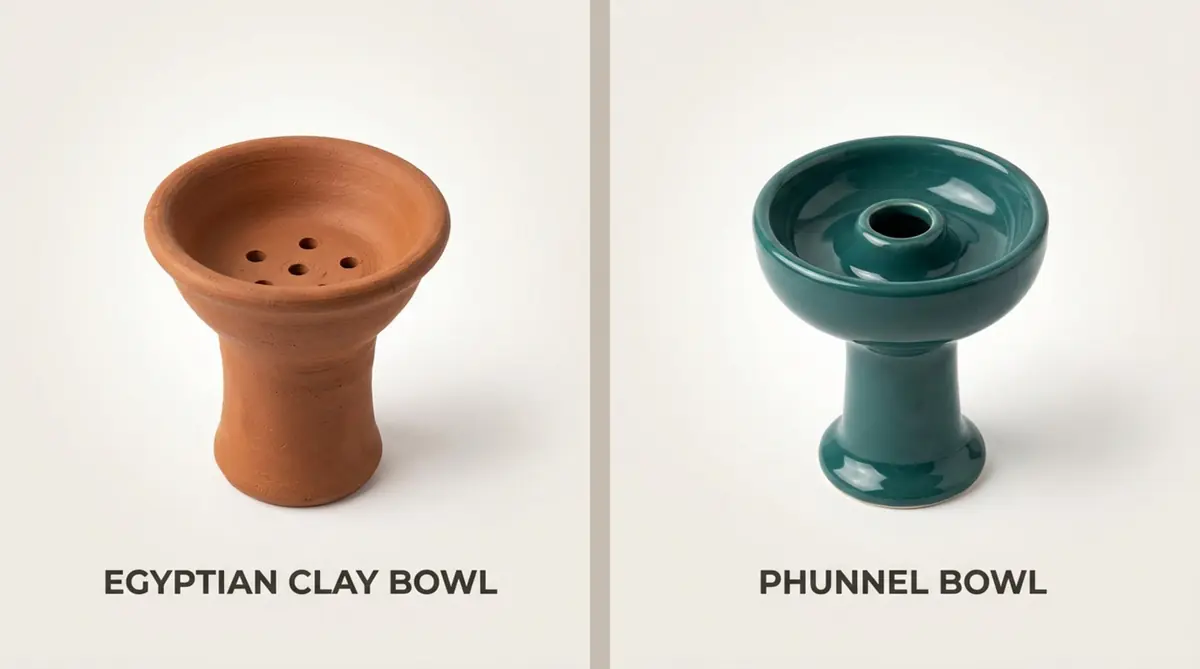
Traditional bowls, such as Egyptian or Turkish styles, feature several holes drilled directly through the curved clay base. Air flows straight down through the shisha and out into the stem. This direct path offers quick heat transfer and an authentic experience with classic blends.
Because the air holes sit at the bottom, these bowls need extra care during setup. As the bowl heats up, syrupy leaves can soften and settle into the openings. If heavy clumps block the holes, your draw can become tight within the first few minutes.
Phunnel Bowls with a Raised Center Spire
Phunnel bowls feature a single raised center spire instead of bottom holes, creating a circular trench for the tobacco. When you inhale, air travels down through the leaves, sweeps across the trench, and flows up over the spire into the downstem.
Because the bottom of the trench is solid, juices and loose leaves cannot fall into your pipe. Phunnel bowls work exceptionally well with modern, juicy shisha tobacco, keeping your draw open from your first pull until your coals wind down.
Vortex Bowls with Elevated Airflow Holes
Vortex bowls combine elements of both traditional and phunnel designs. They feature a solid center post with several intake holes drilled along its sides, sitting just above the floor of the bowl.
This raised design keeps sweet molasses pooled in the bowl rather than dripping into the stem. To maintain an open draw, make sure wet leaves do not stick directly against the side intake holes.
Prepare the Shisha Before Filling the Bowl
A great session starts before any shisha touches the bowl. Hookah tobacco is a blend of cured tobacco leaves, vegetable glycerin, honey or molasses, and flavorings. Over time, these ingredients can settle in the container, leaving dry leaves at the top and rich syrup at the bottom.
Taking thirty seconds to mix and fluff your tobacco on a tray makes a significant difference. An even, loose mix ensures the shisha bakes smoothly and prevents dense clumps from obstructing airflow.
Mix the Tobacco to Redistribute Molasses and Flavor
Molasses and glycerin are heavy liquids that naturally sink. If you scoop shisha only from the top of your container, you will get drier leaves that burn quickly. If you scoop straight from the bottom, you end up with an oversaturated mass that can easily clog the bowl.
Use a packing fork or clean fingers to blend the tobacco thoroughly before each session. Fold the lower layers up into the top until the mixture has a uniform, glossy shine. If the blend is dripping wet, you can lightly dab the leaves with a paper towel. Never squeeze the tobacco dry, as that sweet molasses is what creates thick clouds and rich flavors.
Separate Clumps Without Compressing the Leaves
Shisha often comes out of the package in sticky, pressed clusters. Dropping dense lumps straight into your bowl blocks airflow. Heat struggles to penetrate tight clumps, forcing air to flow around the tobacco rather than through it.
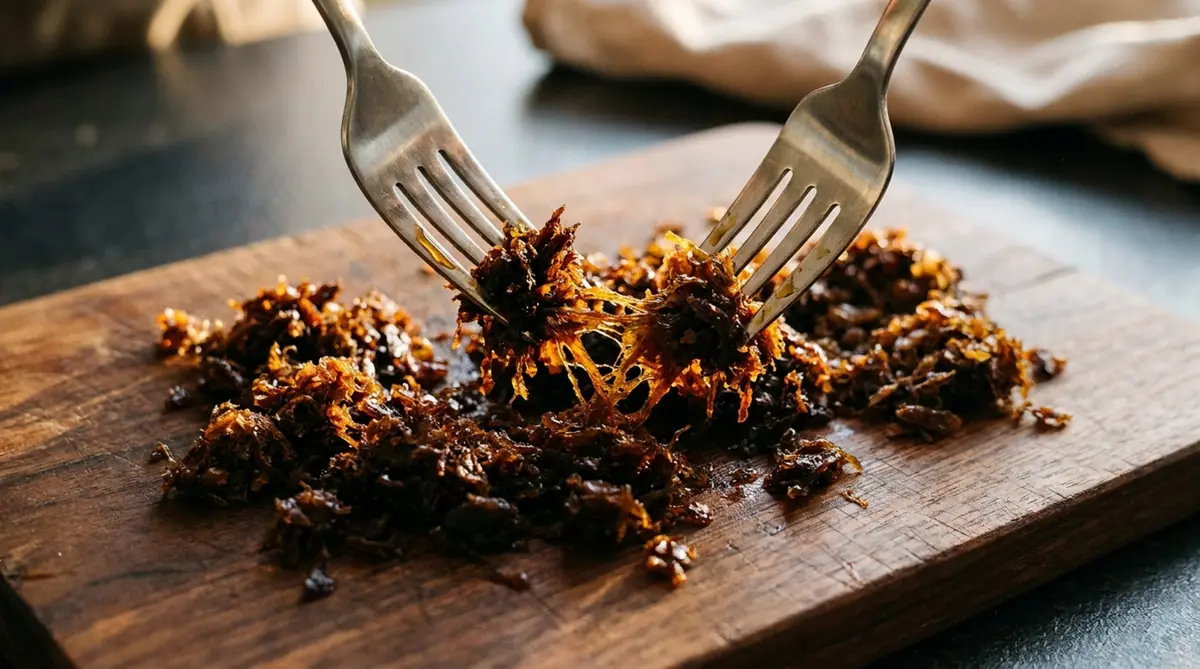
Spread the tobacco across your preparation board and gently pull the leaves apart. Lift and separate them with your fingers or two forks to introduce air between the strands. Think of it like sifting flour: the lighter and looser the leaves are, the easier it is for hot air to move through your finished pack.
Select the Right Packing Density for Your Shisha
Pack density refers to how tightly you place the shisha into the bowl versus how much open air space you leave inside. It directly influences how easy it is to draw from your hose. The right density depends on the leaf cut, moisture level, and heat tolerance of the blend.
Enthusiasts generally divide packs into fluff, semi-dense, and dense styles. While some dark-leaf blends can handle a firmer touch, an airy or semi-dense pack provides the most open draw.
Fluff Pack for Maximum Air Circulation
A fluff pack offers the most effortless draw. Sprinkle the shisha into the bowl with little to no pressure, letting the leaves settle naturally under their own weight. This leaves plenty of open space between the leaves for heat and air to travel freely.
This method works best for blonde-leaf (Virginia) tobacco and multi-hole traditional bowls. Because air moves through the leaves so easily, your flavor profile opens up quickly and thick clouds develop fast. Sessions typically last 45 to 60 minutes as the shisha bakes efficiently.
Semi-Dense Pack for Balanced Heat and Airflow
Semi-dense pack strikes a great balance between smooth airflow and session length. Start by fluffing the tobacco into the bowl, then gently pat the top level with the flat side of a fork. Do not push down firmly into the base of the bowl.
This method works well with modern dark-leaf blends and juicy blonde tobacco in phunnel bowls. It gently reduces air pockets to slow the burn while keeping open pathways, delivering rich flavor and thick clouds for 60 to 90 minutes without restricting your pull.
Match Pack Density to Tobacco Cut, Moisture, and Heat
Different tobacco cuts react differently to pressure. Finely cut, sticky dark tobacco has few large veins and can compact very quickly. Pressing it too firmly creates a dense barrier. Coarse blonde tobacco with visible leaf structure naturally leaves more air space and resists over-packing.
Check the texture of your shisha before packing. Juicy, fine-cut blends require a gentle touch so the leaves do not stick together into a solid block. Drier, coarse cuts can be settled slightly more firmly. Let the cut guide your hand so your air paths stay open.
Prefer a classic? Browse Turkish-type bowls →Pack the Hookah Bowl Without Blocking Airflow
Packing for open airflow relies on a few simple steps that preserve open space inside the bowl. A well-packed bowl looks uniform, feels slightly springy to a gentle touch, and allows air to move freely from top to bottom. Follow these steps to build the perfect session.
Keep a packing fork and poker nearby to guide stray leaves into place. A clean cloth helps wipe syrup from the rim, ensuring your foil or heat management device sits flat for a clean seal.
Step 1: Add Shisha Loosely and Evenly
Use your fingers or a fork to pick up small pinches of separated shisha. Hold the tobacco an inch or two above the bowl and let it fall gently into the basin. Avoid dropping in large handfuls, which weigh down the bottom layer and crush your air channels.
Sprinkle the leaves in a circular motion until the tobacco sits just slightly above the rim like a loose nest. Do not compress the shisha at this stage; keeping the bottom layer airy protects your primary airflow.
Step 2: Keep the Bowl Holes and Phunnel Opening Clear
Before leveling the pack, inspect the air openings. If you are using a phunnel bowl, look at the center spire. No tobacco leaves should rest on the rim or fall inside the chimney. Even a single stray leaf can cause turbulence or whistle during your draw.
If you are using an Egyptian or Turkish bowl, look through the fluffed leaves to ensure the base holes remain open. Shisha can rest lightly beside the openings, but it should never plug them like a cork.
Step 3: Distribute Tobacco Around the Bowl Instead of Over the Holes
For a traditional multi-hole bowl, gently nudge the tobacco toward the outer walls using a poker. Leave a small, shallow well directly above the center holes. This prevents warm, softened leaves from being pulled straight down into the air channels when you inhale.
In a phunnel bowl, spread the shisha evenly around the circular trench. You can taper the pack slightly so it sits higher near the outer rim and lower near the central spire, guiding airflow smoothly through the leaves before it reaches the stem.
Step 4: Leave About 1/8 to 1/4 Inch of Clearance for Foil or an HMD
Overfilling the bowl is a frequent cause of tight pulls and burnt shisha. Always leave a small gap of about 1/8 to 1/4 inch (2 to 3 millimeters) between the top of the tobacco and your heat source.
This gap keeps the shisha from touching scorching metal and gives hot air room to distribute evenly before entering the pack. Without this clearance, tobacco sticks to the heat source, clogging air vents and causing an unpleasant burnt taste.
Step 5: Level the Surface Without Pressing It Flat
Use the flat side of a fork or a wooden poker to lightly tap down any stray strands until the surface sits just below the rim. Use delicate taps. You are simply leveling high spots, not pressing the tobacco into a solid puck.
Rotate the bowl as you work so the surface remains flat. A uniform top distributes heat evenly and prevents hot spots, while the layer beneath stays springy and breathable.
Adjust the Pack for Foil or a Heat Management Device
Your choice of heating accessory changes how air enters the bowl and how the tobacco bakes. Aluminum foil and a metal heat management device (HMD) interact with heat in distinct ways. Tailoring your pack height and density to your setup ensures the best performance.
Both methods can deliver rich flavor and thick clouds when adjusted properly to avoid burnt leaves and restricted airflow.
Pack Slightly Looser for Aluminum Foil
With foil, your airflow depends entirely on the holes you pierce. Because foil can sag slightly under the weight of glowing coals or during a firm draw, pack your shisha a bit lower and fluffier.
Stretch heavy-duty foil across the bowl rim until it is drum-tight. Use a foil poker to punch clean, evenly spaced holes in concentric circles across the surface. If you make too few holes, the draw will feel restricted regardless of how well the shisha is packed.
Use a Level, Even Surface for an HMD
An HMD-such as an aluminum heat regulator with a flat bottom and airflow vents-requires a flat shisha surface to transfer heat evenly. Because it is rigid, any uneven mounds will cause hot spots.
Wipe the bowl rim clean so the HMD sits completely flat without rocking. Level the shisha evenly so radiant heat warms the tobacco across the entire surface, preventing cool zones or scorched edges.
Should Shisha Touch the Foil or HMD?
In most setups, the answer is no. When shisha touches foil or the base of an HMD, the leaves quickly bake onto the hot metal. This charring blocks air vents, restricts your draw, and introduces a harsh, burnt flavor.
While some advanced dark-leaf enthusiasts use a light contact pack with specific HMDs, leaving a 1/8-inch gap is the most reliable way to ensure a smooth draw and clean taste throughout your session.
Check Airflow Before Adding Heat
Always test your draw before placing hot charcoal on your bowl. Adjusting a pack once coals are glowing is hot, messy, and difficult. A quick test while the bowl is cool allows you to fix tight spots or seal leaks immediately.
Taking ten seconds to test your setup ensures your session starts smoothly from the very first pull.
Test the Pull Through the Hookah Hose
Once your bowl is attached to the stem with a snug grommet, take a couple of test pulls through the hose. Try both a gentle sip and a deeper pull. The water in the base should bubble freely without heavy resistance.
If the draw feels tight, check the bowl. You can also test the bowl on its own before mounting it: place your hand over the base opening, pull gently through the top, or place your lips at the bottom hole to feel the resistance. If air passes through the bowl freely, the restriction is elsewhere in your pipe.
Clear a Blocked Hole With a Poker
If a traditional bowl feels tight during your test draw, a tobacco leaf has likely settled over one of the holes. You do not need to restart your pack. Simply slide a thin poker or toothpick up through the bottom hole from under the bowl.
Gently nudge the leaf aside and give the tool a slight twist to create a clear vertical air passage through the tobacco. This clears the airway instantly without disturbing your overall pack.
Check for Air Leaks in the Bowl, Hose, and Stem Connections
Sometimes a draw feels strangely loose and airy, producing thin smoke because outside air is leaking into the pipe instead of traveling through the bowl. To test for leaks, remove the bowl, seal the top of the stem with your palm, and inhale through the hose.
You should feel immediate vacuum pressure, and no air should pass. If air leaks in, inspect your bowl grommet, base gasket, and hose connection. Also check that the purge valve ball bearing sits flush. Sealing these leaks ensures that every pull draws heat directly through your shisha.
Troubleshoot a Hookah Bowl That Draws Poorly
Even experienced enthusiasts run into an unexpected draw issue now and then. Airflow can shift as the bowl warms and the molasses thins. Recognizing the signs lets you correct the issue quickly and protect your session.
The table below details common issues during setup and how to resolve them:
| Observation | Probable Root Cause | Corrective Action |
| Stiff, restricted draw immediately; minimal water bubbling | Air holes blocked, tobacco packed too tightly, or base overfilled | Check water level; use a poker from beneath the bowl to clear air holes |
| Thin smoke and a loose, airy draw with a cool bowl | Air leak at a grommet or purge valve, or large empty channels in the pack | Inspect hookah seals; level and redistribute shisha to close bypass channels |
| Smooth draw initially, but tight and harsh after 10 minutes | Bowl overfilled; shisha expanded and baked into foil or HMD vents | Remove coals, lift heat device, clear scorched top leaves, and restore the clearance gap |
| Strong bubbling, but smoke tastes harsh and burnt | Heat concentrated in one spot or shisha directly touching hot metal | Move coals toward outer edge, purge the base, and verify the gap above the shisha |
Why Is My Hookah Pull Hard After Packing?
If your draw feels stiff immediately, the shisha at the bottom of the bowl might be packed too tightly. However, check your water level first. A downstem submerged too deeply creates excess water resistance that mimics a clogged bowl. We recommend keeping the downstem submerged about 1 inch (2.5 cm) for a smooth, balanced pull.
If the water level is correct, look at the bowl itself. Moisture and pressure can cause damp leaves to settle over bottom holes. On a phunnel bowl, a tight draw often occurs when suction pulls standard foil downward against the center spire. Ensure your foil is drum-tight and pierce a couple of tiny holes over the spire to break the vacuum.
How to Fix a Bowl That Is Packed Too Tightly
You can easily fix a tight pack without wasting your tobacco. If you are using foil, use a fine poker to aerate the shisha. Push the poker through existing holes all the way to the bowl floor and wiggle it gently to create small vertical airflow chimneys.
If you use an HMD, set the device on a heat-safe tray and inspect the tobacco. Use a fork to gently lift and fluff the leaves. If the bowl is overfilled, remove a couple of grams of shisha, level the pack gently without pressing, and replace the HMD.
How to Correct Uneven Heating and Burnt Flavor
Uneven heat happens when airflow concentrates in one small section, scorching that area while the rest of the bowl stays cool. If the smoke begins to taste harsh, remove the coals and gently blow into the hose to purge stale smoke through the purge valve.
Shift your coals to fresh spots along the outer edge of the bowl or HMD. If the harshness persists, lift the heating device and check the top layer. Remove any blackened leaves stuck to the vents. Keeping your heat around the rim lets warm air circulate across the pack, bringing back rich flavor and smooth clouds.
Long-Term Ceramic Care and Thermal Dynamics
Keeping your airflow open and flavors pure over time also depends on how you care for your bowls. Bowl materials-like dense stoneware, porous clay, and glazed ceramic-handle heat in unique ways. Unglazed clay has natural pores that absorb molasses and flavor oils. This works wonderfully when dedicated to a single traditional profile like Double Apple, but using multiple distinct flavors in one unglazed bowl can cause old syrups to bake into the pores and dull your airflow over time.
Caring for premium hookah equipment requires gentle cleaning and protection from thermal shock. Always allow your bowl to cool completely to room temperature before washing it with warm water and a soft brush. Placing a hot bowl under cold water can cause micro-cracks around the spire and airflow holes, weakening the craftsmanship of the ceramic. Periodically run a small cleaning brush through the bowl neck to remove any caramelized syrup buildup, keeping your smoke path clear for your next session.
See also.
What Affects Hookah Price? Materials, Engineering, and Brand
What determines the price of a hookah? A hookah’s cost depends directly on the quality of its raw materials, the precision of its mechanical engineering, and the manufacturing standards of the brand behind it. Premium metals and thoughtful airflow design deliver a smooth draw and last for years, while entry-level alloys and mass production keep […]
go to article
Water pipe for a gift: the perfect choice for the connoisseur
Water pipes, also known as hookahs, have long been popular among lovers of smoky pleasures. Choosing a water pipe as a gift is a great way to surprise and please a connoisseur of this traditional form of smoking. In this post, we’ll outline why an Arabic water pipe is an excellent gift, which water pipe […]
go to article
What Comes in a Complete Hookah Set?
What comes in a complete hookah set? A standard set includes all the core hardware you need to assemble a working pipe: a base, stem, downstem, bowl, tray, hose, purge valve, and airtight grommets. Learning how these pieces work together helps you build the right setup for a smooth draw and rich flavor every time. […]
go to article