
Wookah vases
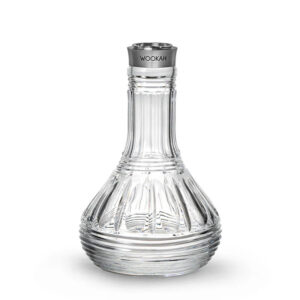
Wookah Linea Vase
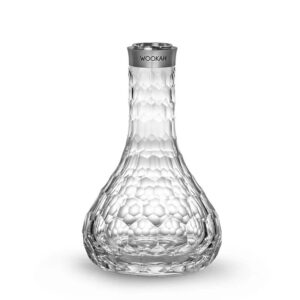
Wookah Apis Vase

Wookah Smooth Smoky Vase
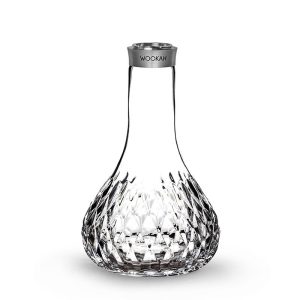
Wookah Gravity Pinion Vase
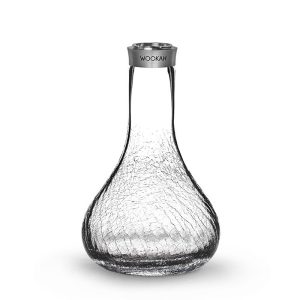
Wookah Smooth Gossamer Vase
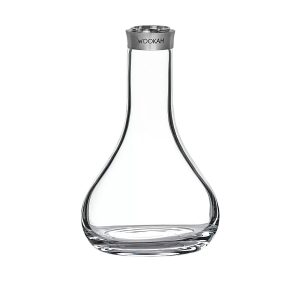
Wookah Smooth Vase
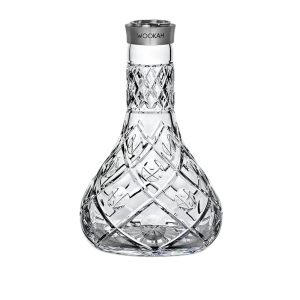
Wookah Olives Mastercut Vase
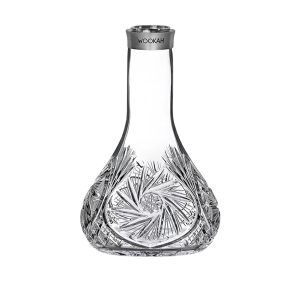
Wookah Mill Mastercut Vase
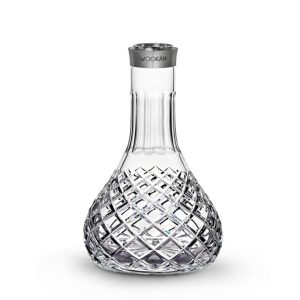
Wookah Check Mastercut Vase
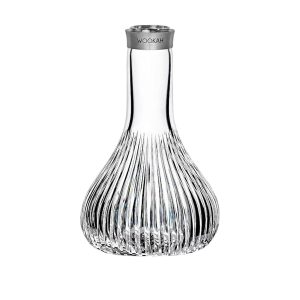
Wookah Onion Mastercut Vase
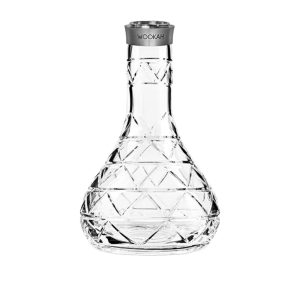
Wookah Terra Mastercut Vase
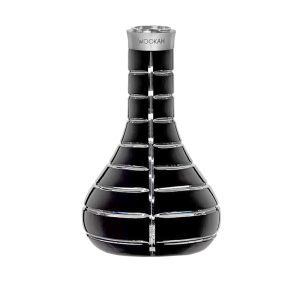
Wookah Striped Black Mastercut Vase
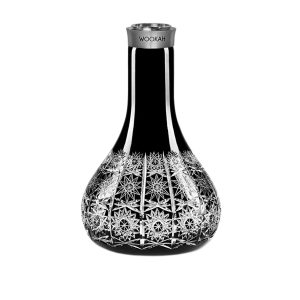
Wookah Starry Night Mastercut Vase
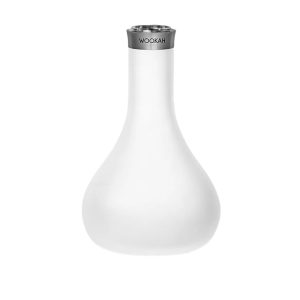
Wookah Smooth Misty Mastercut Vase
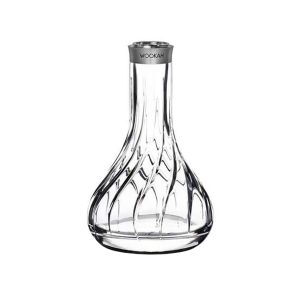
Wookah Venti Hookah Vase
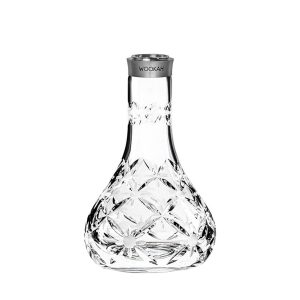
Wookah Bloom Hookah Vase
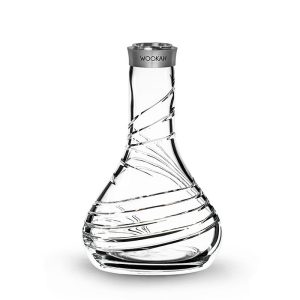
Wookah Tornado Mastercut Vase
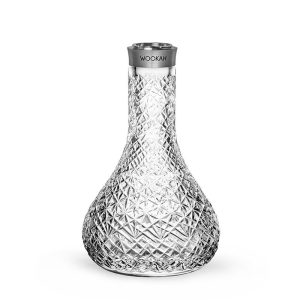
Wookah Glimmer Mastercut Vase
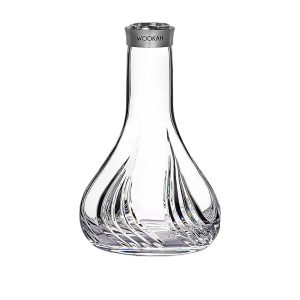
Wookah Flames Mastercut Vase
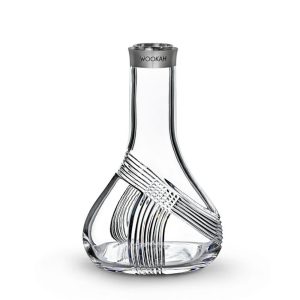
Wookah Orbit Mastercut Vase
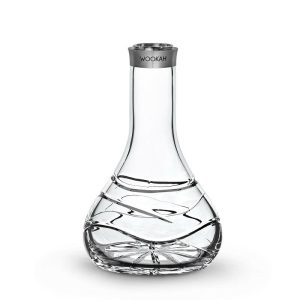
Wookah Waves Mastercut Vase
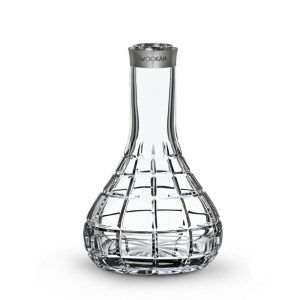
Wookah Squares Mastercut Vase
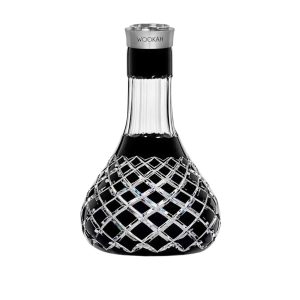
Wookah Check Black Mastercut Vase
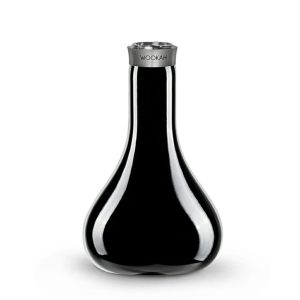
Wookah Smooth Black Vase
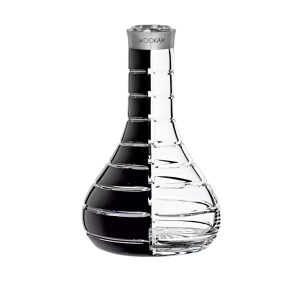
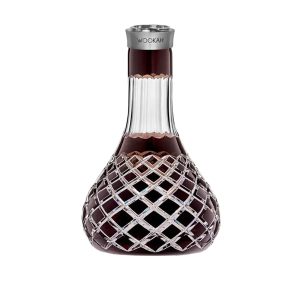
Wookah Check Brown Mastercut Vase
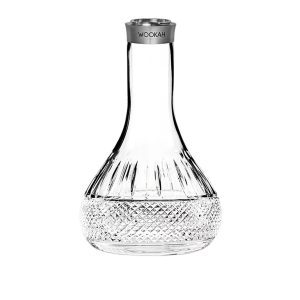
Wookah Gravity Mastercut Vase
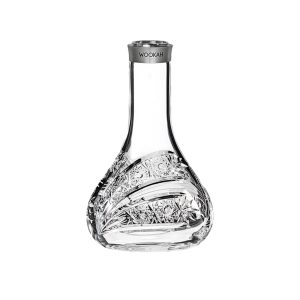
Wookah Comet Mastercut Vase
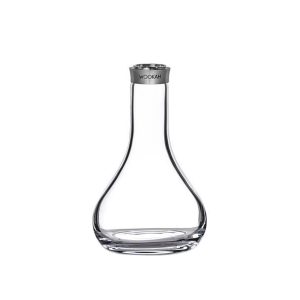
Wookah Mini Smooth Hookah Vase
Wookah Vases
Wookah built its name on wood. The glass, though, is where half the character lives — and it’s made with the same stubborn attention to detail as the stems.
Blown and Cut by Hand
Every Wookah vase is lead-free crystal glass, shaped by hand from the blowing stage through to the cutting of the pattern.
That’s a slow way to make glass and it shows. The walls are heavy, the base is substantial, and light behaves differently across each cut face. No two pieces are quite identical, which fits a brand whose wooden stems are never identical either.
It also means these vases feel different in the hand from moulded glass. Weight is the giveaway — pick one up and you immediately understand where the price sits.
Choosing Your Cut
The range breaks down into a few clear directions.
- Smooth — no cutting at all. Clean lines, and it lets a figured wood stem take all the attention.
- Mastercut — the signature cut pattern, available clear or in colour. The middle ground and the most popular choice.
- Heavy Crystal — the thickest and most substantial pieces, with cut styles such as Venti and Glimmer running down the body.
The practical rule: if your stem is a bold exotic wood with dramatic grain, a Smooth vase keeps the setup balanced. If the timber is quieter, a Mastercut or Heavy Crystal gives the whole thing its focal point.
Matching Glass to Wood
Colour is the second decision. Clear glass works with everything and shows the water level clearly, which is genuinely useful. Coloured vases make more of a statement but hide the water line, so you’ll want to fill by measurement rather than by eye.
Darker woods tend to sit well against clear or smoke-toned glass. Lighter timbers can carry a stronger colour without the setup looking busy.
The Quick Lock Connection
Each vase carries a stainless steel thread in 1.4301 (V2A) — the same grade Wookah uses across all its metal parts, so it won’t rust or corrode from repeated contact with water.
The quick lock system seats the vase onto the stem in a short turn rather than a long thread. Faster to assemble, and easier on the fittings over years of use. It also means less chance of over-tightening, which is how glass connections usually get damaged.
How Much Water Goes In
Aim for the downstem to sit around two centimetres below the water line. Less and you lose cooling; more and the draw becomes heavy work.
With a heavy crystal vase it’s worth measuring once with a jug and noting the amount, especially on coloured glass where you can’t see the level. After that you can fill it the same way every time without thinking about it.
Looking After Heavy Glass
Warm water, a soft vase brush, and a proper dry before it goes back on the stem.
Avoid thermal shocks — never pour boiling water into cold glass, and don’t take a cold vase straight from a fridge to a hot setup. Crystal is durable but it doesn’t forgive sudden temperature changes.
Treated sensibly, a vase like this comfortably outlasts several stems.
Replacing a Vase You Already Own
Vases break. It’s the most common casualty in any hookah setup, and buying a replacement is usually straightforward.
Check the connection type on your stem first, since that determines what will seat properly. Wookah’s own stems use the quick lock fitting, so a Wookah vase is a direct swap. If you’re fitting one to a stem from another maker, confirm the thread and diameter before ordering.
It’s also a chance to change the look of a setup you already like — same stem, different cut, and it reads as a new hookah.
Explore the Wookah vase collection and finish your setup with the piece everyone notices first.