
Why Does a Hookah Bubble? The Airflow Explained
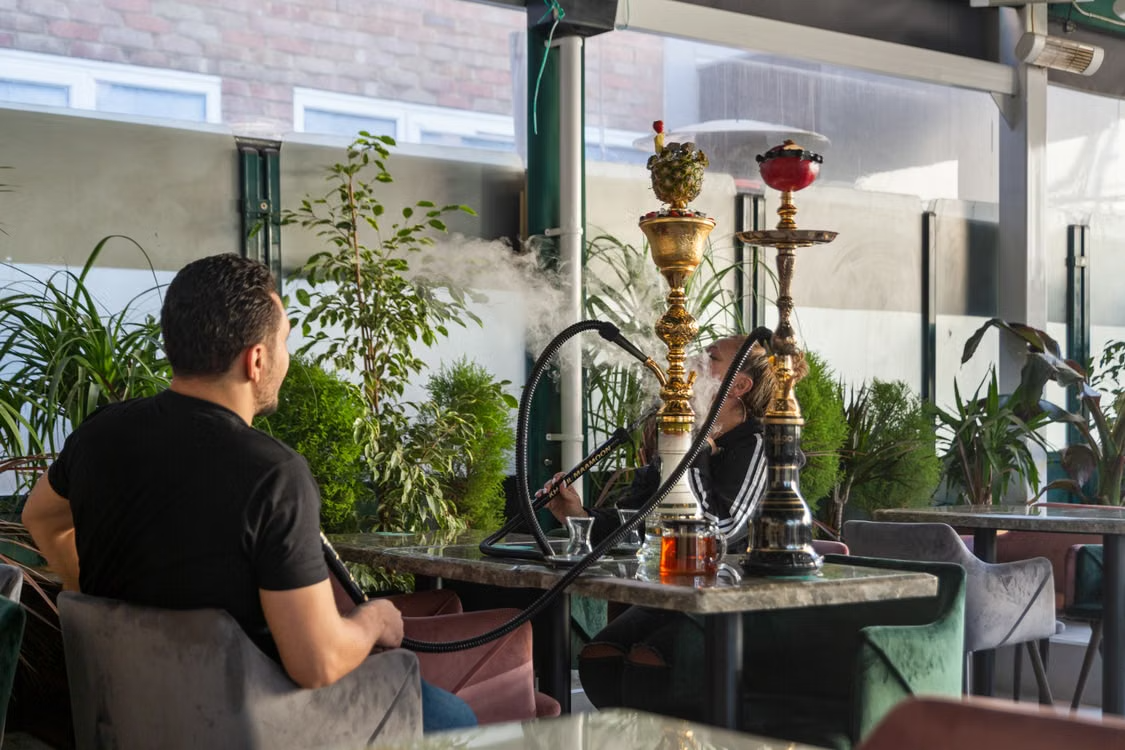
A hookah bubbles because inhaling through the mouthpiece creates low pressure in the vase, pulling fresh air through the hot charcoal and shisha tobacco to create smoke. As this smoke travels down the stem and exits under the water, it breaks into rising bubbles that cool the vapor, leading to a smooth smoking experience.
What Makes a Hookah Bubble?
Hookah bubbling is the core mechanical process that transforms warm vapor into a cooler, enjoyable draw. Understanding this airflow helps you set up the perfect session every time.
How Does Airflow Work Inside a Hookah?
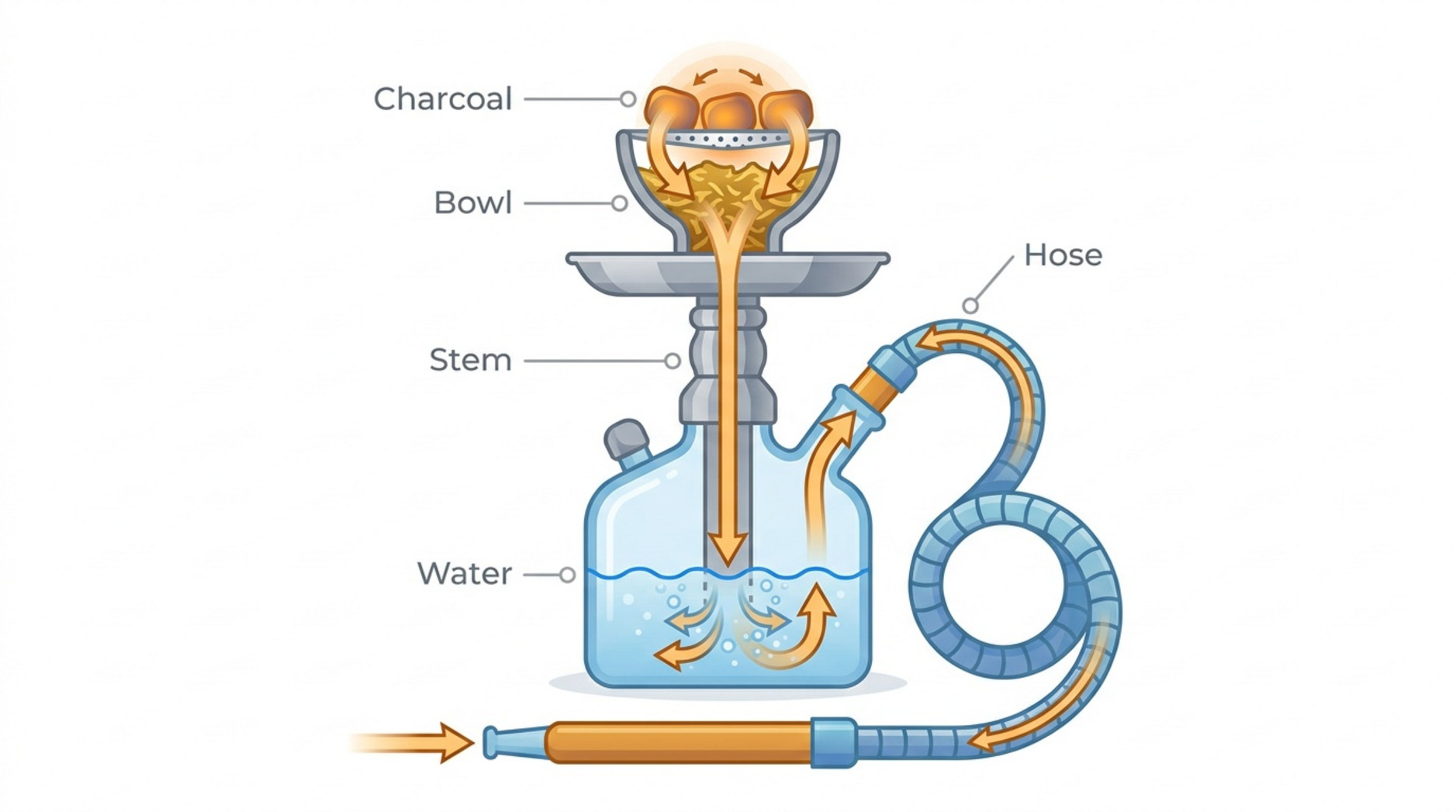
A hookah relies on a careful balance of heat, pressure, and airflow. When you inhale, you create a vacuum inside the airtight vase. To fill this low-pressure void, outside air gets pulled across the hot charcoal and through the bowl packed with hookah tobacco.
This heated air warms the molasses, producing rich flavors and smoke. The smoke travels down the stem, through the downstem, and exits beneath the water level. Forced under the water, the smoke forms bubbles that rise into the empty chamber, ready for you to inhale.
Why Is Bubbling Important for the Hookah Experience?
Bubbling directly influences the quality of your hookah session in several ways:
- Cooling: Passing hot smoke through water drops its temperature rapidly, making it much smoother on the draw.
- Moisture: The water adds moisture to the smoke, helping produce thick clouds and a comfortable inhale.
- Feedback: The rhythmic sound of bubbling acts as an indicator that your premium hookah equipment is functioning properly with good airflow.
Without adequate bubbling, the smoke tends to feel hot, harsh, and far less satisfying.
Shop diffusers for a quieter, softer draw →Key Components Controlling Hookah Airflow
Every piece of your setup impacts draw resistance and bubble production. If one component is improperly assembled, your session quality can drop quickly.
Bowl, Stem, and Vase Roles in Airflow
- Bowl: Holds the tobacco. Your packing method and use of a heat management device (HMD) dictate how easily air passes through the shisha.
- Stem (Hookah Body): The central pipe. A wider internal diameter provides an open, effortless draw, while narrower designs offer a traditional, restricted feel.
- Vase: Contains the water. A properly shaped vase maintains optimal water volume, which directly affects cooling and draw resistance.
Purpose of the Diffuser and Downstem
- Downstem: The lower section of the stem submerged in water. Its depth dictates the pull-too deep creates a tough draw, while too shallow limits cooling.
- Diffuser (optional): An attachment with multiple small holes at the end of the downstem. It breaks large bubbles into smaller ones, reducing noise and supporting smoother draws.
The Function of Hoses, Mouthpiece, and Purge Valve
- Hose: Transports the smoke. Modern silicone hoses offer a wide, unrestricted pull and are easy to clean, preserving rich flavors between sessions.
- Mouthpiece: The final point of contact. Ergonomic, well-crafted mouthpieces enhance comfort and keep the draw consistent.
- Purge valve: Allows you to clear stale vapor from the vase. Exhaling gently into the hose opens this valve, pushing old smoke out without flooding the bowl.
How Smoke Travels Through a Hookah
The journey of smoke relies on a closed system where pressure changes guide the airflow continuously from top to bottom.
Smoke Journey: From Bowl to Mouthpiece Step-by-Step
Here is the exact path of your airflow:
- You inhale from the mouthpiece, creating low pressure in the vase.
- Air pulls through the charcoal and the hookah bowl.
- Heat bakes the tobacco, producing flavored smoke.
- Smoke travels down the central stem and downstem.
- It exits underwater, forming bubbles.
- The cooled smoke rises into the vase chamber.
- Smoke flows through the hose and reaches the mouthpiece.
Role of Water in Filtering and Cooling the Smoke
Water serves as a thermal modifier for your session. Hot vapor hits the cooler liquid and loses heat instantly, which helps produce thick clouds and an enjoyable, smooth smoking experience.
While water can catch stray ash or molasses particles, it does not act as a health filter. Passing smoke through water does not make it safe; it simply enhances the temperature and texture of the draw.
Airflow Variations: Open Draw vs Restricted Draw
Different hookah setups offer varying levels of resistance, allowing you to tailor the experience to your preferences.
Differences Between Smooth and Tight Pulls
Open draw: An effortless pull that easily generates large clouds. This is achieved through wide stem and hose diameters common in modern hookah design.
Restricted draw (tight pull): Requires more effort to inhale. Many enthusiasts of traditional hookah culture prefer this style for a concentrated flavor profile. However, if your modern hookah feels unexpectedly tight, it usually indicates an airflow blockage.
Impact on Bubble Size, Density, and Smoke Quality
An open draw creates active, robust bubbling-or a dense fizz if using a diffuser-which maintains consistent heat and rich flavors. Conversely, a restricted draw produces weaker bubbling. If airflow is too low, the tobacco can overheat, leading to harshness and an unbalanced session.
Browse hookah bodies and vases →Common Issues Affecting Hookah Bubbling and Airflow
Even premium hookah equipment can underperform if improperly assembled. Most bubbling issues stem from incorrect water levels, poor packing, or blockages.
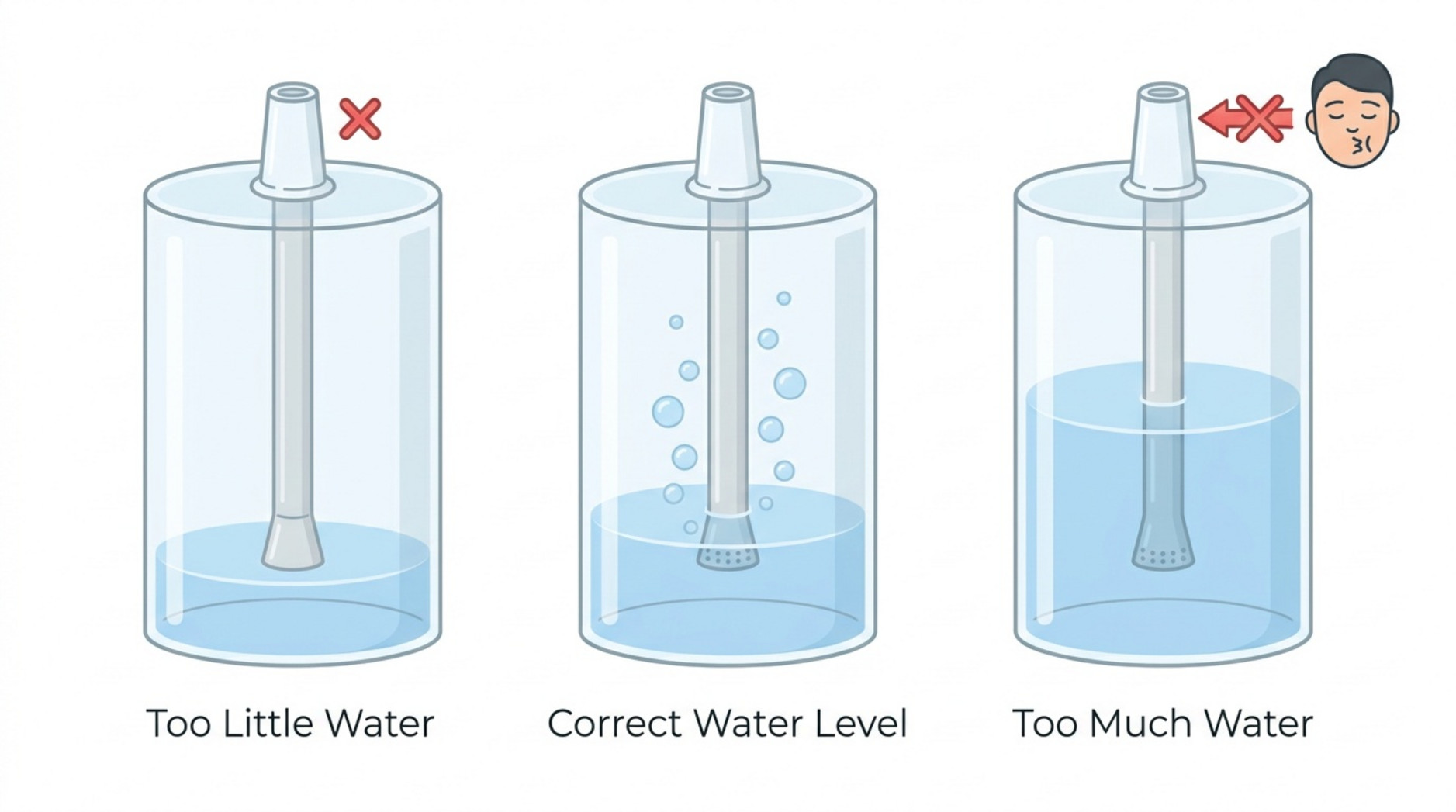
Too Much or Too Little Water in the Vase
Water volume heavily influences draw resistance:
- Too much water: Creates a heavy, restrictive pull where bubbling feels forced.
- Too little water: Results in inadequate cooling, harsh vapor, and weak bubbling.
The ideal water level is typically 1-1.5 cm above the diffuser holes, or 1.5-2 cm above the bottom of an open downstem.
Clogged Stem, Diffuser, or Hose
Residue, molasses, and stray tobacco leaves can restrict your airflow. Pay close attention to diffuser holes, the interior of the downstem, and the hose. A blockage here guarantees a tight pull regardless of how well you prepare your bowl.
Faulty Grommets and Air Leaks
A perfect session requires an airtight seal. Worn or loose grommets allow outside air to bypass the bowl, resulting in thin, airy clouds. Regularly checking and replacing rubber seals ensures proper vacuum pressure.
Overpacked or Poorly Packed Bowl
Your packing technique dictates how heat and air interact with the tobacco.
- Overpacked: Dense packing chokes the airflow, causing a tight draw and scorching the shisha.
- Poor airflow paths: Uneven packing prevents air from circulating properly, resulting in weak smoke.
Keep blonde tobacco slightly airy, avoid pressing any shisha hard against your foil or heat management device, and ensure sufficient ventilation holes.
Stuck Purge Valve or Internal Blockages
Purge valves utilize small ball bearings that can stick due to moisture or residue, restricting the draw. Regular cleaning of the valve, stem, and hose prevents these hidden blockages and keeps your airflow consistent.
How to Optimize Hookah Airflow for Better Bubbling
Achieving the perfect session comes down to proper maintenance and utilizing the right accessories from trusted experts like Shisha Boutique.
Proper Hookah Assembly and Maintenance
A clean hookah guarantees better flavor and smoother draws. Regular cleaning prevents residue buildup and keeps every session fresh. Ensure all connections are secure and replace any degraded grommets. Rinse your diffuser every few sessions, brush the stem regularly, and wash your silicone hose to maintain pristine airflow.
Adjusting Water Levels and Bowl Packing
Fine-tuning is essential. Start with the downstem submerged by about 2.5-4 cm (1-1.5 inches). If the draw is too stiff, slightly reduce the water; if it feels hot, add a small amount. When packing your bowl, prioritize clear airflow paths so the heat distributes evenly across the tobacco.
Upgrading Components for Smoother Draws
Investing in quality craftsmanship makes a difference. Upgrades like a precision-engineered diffuser, a wide-gauge silicone hose, or a modern heat management device are designed to enhance your session and support smoother draws.
| Upgrade | What it helps with | What you may notice |
| Diffuser | Smaller bubbles, less noise, smoother draw | Quieter session and less vibration |
| Wider silicone hose | Lower resistance, easy cleaning | Easier pull and better consistency over time |
| Premium hookah bodies | More open airflow | Thick clouds with less effort |
| Advanced purge system | Fewer stuck valve issues | More reliable purging and airflow |
Conclusion
A hookah bubbles because your inhale creates low pressure, pulling fresh air through the charcoal and tobacco, down the stem, and under the water. This process cools the vapor, delivering the rich flavors and thick clouds that define a perfect session.
By managing your water levels, packing your bowl correctly, and keeping your equipment clean, you support a smooth smoking experience every time.
If you are ready to explore new flavors and upgrade your setup, Shisha Boutique offers a curated selection of premium hookah equipment and accessories designed to elevate your next session.
Compare silicone and leather hoses →Frequently Asked Questions About Hookah Bubbling and Airflow
Troubleshooting your setup is straightforward once you understand the mechanics of airflow.
Why does my hookah barely bubble or not at all?
A lack of bubbling indicates a severe blockage or an air leak. Check for a kinked hose, a clogged diffuser, a stuck purge ball, or loose grommets. Finally, verify that your water level is high enough to submerge the downstem.
What does it mean if the hookah bubbles but smoke is weak?
If you hear bubbling but see thin vapor, your heat and airflow are out of balance. This usually means your charcoal isn’t fully lit, the tobacco is dry, or the airflow is too open for the amount of heat applied.
How can I fix restricted or hard pulls?
Hard pulls are caused by excessive water, blocked components, or an overpacked bowl. To fix this, lower the water level, clean the downstem and hose, and repack your bowl to allow air to pass through the shisha easily.
Does a diffuser make bubbling quieter or smoother?
Yes. A diffuser breaks large pockets of air into many smaller bubbles. This reduces the rumbling noise, minimizes vibration, and supports a noticeably smoother draw.
Should hookah water be warm, cold, or room temperature?
Room-temperature water offers a balanced experience. While ice water provides a crisp, cool inhale that many enthusiasts enjoy, warm water reduces the cooling effect. Regardless of temperature, maintaining the correct water level is the most critical factor for optimal airflow.
See also.
Hookah pebbles how to use?
Hookah pebbles – how to use? This is a question that many water pipe enthusiasts may be asking. Hookah pebbles are an alternative to the traditional tobacco used in hookah. They allow you to enjoy rich flavor and plentiful clouds of smoke, but without the nicotine. Using pebbles is also a great way to avoid […]
go to article
What Is a Molasses Catcher and What Problem Does It Solve?
How do you stop extra shisha juices from dripping into your stem and ruining your water base? A molasses catcher traps these sticky liquids before they travel down your hookah, preserving rich flavors and preventing messy buildup. Adding this simple piece of premium hookah equipment helps keep your setup clean and ensures a consistently perfect […]
go to article
How to start the adventure with hookah?
The popularity of the water pipe is staggering. This is evident in the opening of new bars offering Hookah, and the number of people eager to start smoking a water pipe in the comfort of their own homes is growing every month. Beginners can be intimidated by the vastness of products, accessories and the general […]
go to article