
Hookah vs. Vape vs. Cigarette: How the Devices Differ
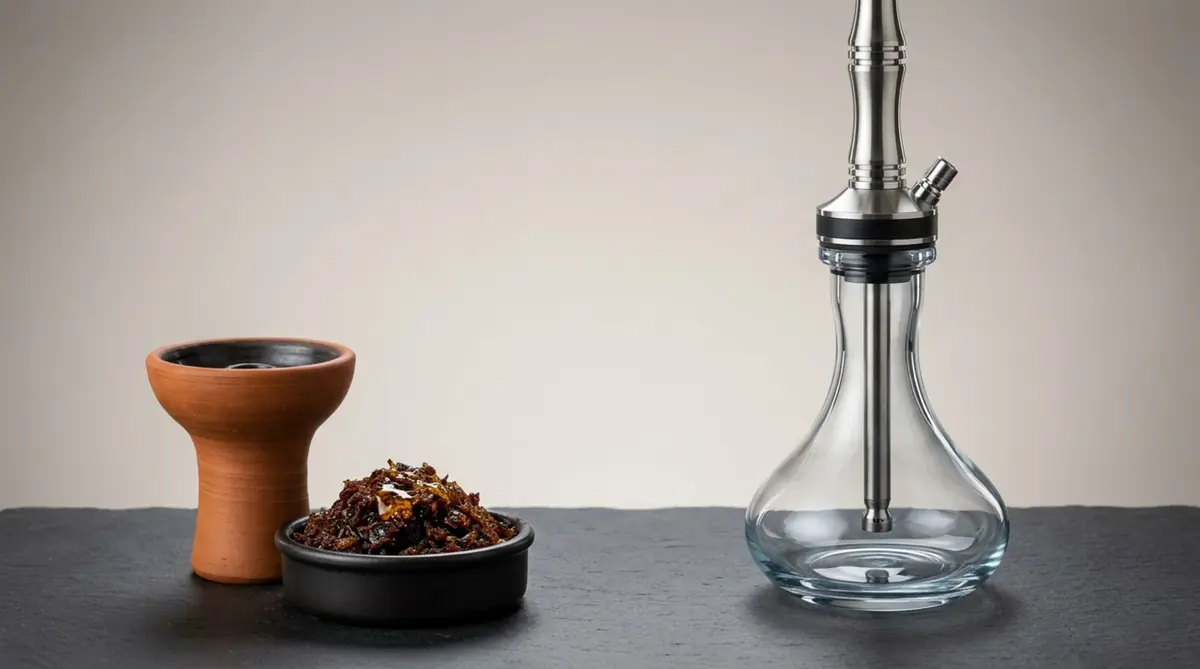
How do hookahs, vapes, and cigarettes differ in how they work and what they deliver? While all three can deliver nicotine, cigarettes burn dry tobacco at high heat, hookahs bake moist shisha molasses using charcoal and cool the smoke through water, and vapes vaporize liquid using battery-powered coils.
These fundamental differences in heating and mechanics directly shape their emissions, session styles, and overall impact on your body.
What Are Hookahs, Vapes, and Cigarettes?
Hookah: Water-Pipe Smoking With Flavored Shisha
A hookah-also known as a nargile or water pipe-has deep roots in traditional hookah culture across the Middle East, South Asia, and North Africa. The device features a bowl at the top of a vertical stem, which connects to a base filled with water. A flexible hose and mouthpiece allow you to draw the smoke from the base. Rather than lighting the tobacco directly with a flame, you place hot charcoal briquettes on perforated foil or inside a heat management device (a metal accessory designed to regulate heat) sitting on the bowl.
When you inhale through the hose, the air pressure pulls heat from the coals down into the bowl. This hot air bakes the shisha molasses below, creating thick clouds of smoke. The smoke travels down the stem, bubbles through the water base to cool down, and collects in the chamber before you draw it through the hose. In modern hookah culture, this ritual is celebrated as a relaxed, social experience shared among friends.
Vape: Battery-Powered Aerosol Devices
Vapes, known in technical terms as Electronic Nicotine Delivery Systems (ENDS), are handheld electronic devices that heat a liquid solution instead of burning plant leaves. They come in many designs, including compact disposable pens, refillable pod systems, and adjustable box mods. Despite these cosmetic differences, almost every vape relies on three core parts: a lithium-ion battery, an e-liquid reservoir, and an atomizer containing a metal heating wire wrapped around a cotton wick.
You activate a vape with a small button or by simply inhaling through the mouthpiece. The battery sends an electric current through the coil, heating it quickly to around 150°C to 250°C. This heat vaporizes the liquid held in the wick, turning it into an inhalable mist. Because it uses electrical heat rather than fire, there’s no combustion involved. Many modern vapes use nicotine salts, offering a fast, discreet way to consume nicotine on the go.
Cigarette: Combustible Tobacco Rolled in Paper
A cigarette is a simple, single-use product designed for rapid consumption. It consists of dried, shredded tobacco leaves treated with additives and tightly wrapped in thin paper. Most commercial cigarettes also include a cellulose acetate filter at the tip, which captures a small fraction of large particles and mixes outside air into the smoke through tiny perforations.
To use a cigarette, you light the exposed tip with a direct flame. Once lit, the cigarette stays burning on its own. Drawing air through the filter pulls oxygen into the lit ember, raising its temperature and causing the tobacco directly behind it to burn and break down. This combustion creates a direct, unfiltered stream of smoke that travels straight into your airways.
Explore hookahs built for slow sessions →How Do Hookahs, Vapes, and Cigarettes Work?
What Role Do Charcoal, Batteries, and Combustion Play?
The primary technical distinction between these three devices is how they generate heat. A cigarette relies entirely on self-sustaining combustion. The dry tobacco acts as its own fuel; once you light it, it continues to burn down until nothing remains but ash.
A hookah uses indirect heat rather than direct fire. You don’t set the shisha molasses on fire. Instead, burning charcoal briquettes-typically made from compressed coconut shells-provide steady, radiant heat from above. This heat warms the tobacco gently through foil or a heat management device. In contrast, a vape uses no combustion or charcoal at all. Its battery sends electrical energy through a resistance wire, instantly heating the surrounding liquid without any open flame.
How Does a Hookah Heat and Filter Smoke?
When you pull on a hookah hose, you draw fresh air across the hot coals sitting atop the bowl. By the time this air reaches the shisha, it warms the moist mixture to around 450°C. At this temperature, the glycerin, natural sugars, nicotine, and flavorings vaporize into dense smoke, while the tobacco leaves slowly bake.
This smoke travels down the central pipe and passes into the water base. As it bubbles through the water, the smoke cools down rapidly, creating the signature smooth draw that defines an authentic experience. While the water traps a small amount of heavy ash and soluble particles, it does not filter out toxic gases or volatile chemicals. Its primary function is thermal cooling, which makes the draw comfortable on your throat.
How Does a Vape Create an Aerosol?
An electronic vape relies on rapid wicking and heat transfer. The cotton wick absorbs e-liquid from the tank and keeps it in direct contact with the heating element. When you take a draw, the internal circuit supplies power to the coil, bringing it to operating temperature almost instantly.
This sudden heat vaporizes the liquid trapped in the cotton fibers. As the vapor rises into the cooler airway tube, it condenses into tiny liquid droplets, forming a fine mist. Because there are no coals, papers, or cured leaves burning, the output is an aerosol rather than plant smoke.
How Does a Cigarette Burn Tobacco?
A cigarette functions as an open combustion burner powered by your breath. At rest between puffs, the lit tip smolders at roughly 600°C. When you inhale, the incoming rush of oxygen spikes the internal ember temperature to anywhere between 800°C and 900°C.
This extreme heat creates distinct thermal zones inside the paper tube. Right behind the burning tip lies the pyrolysis zone, where heat decomposes the plant material without enough oxygen for clean burning. Further down, volatile compounds like freebase nicotine vaporize into the moving air stream. The result is a harsh, concentrated smoke laden with solid soot and combustion gases.
What Substances Do These Devices Deliver?
Nicotine in Hookah Tobacco, Vape Liquid, and Cigarettes
All three methods deliver nicotine, but they do so with different speeds and chemical formulations. Cigarettes provide nicotine in a freebase form, often paired with chemical additives to speed up absorption through your lungs. A single cigarette typically holds 10 to 14 milligrams of nicotine, delivering 1 to 2 milligrams into your bloodstream within seconds to produce a sharp peak.
Early vapes used freebase nicotine as well, which often caused a harsh throat hit at higher strengths. Most modern pod systems now use nicotine salts, created by pairing nicotine with organic acids to lower the pH. This allows you to inhale higher concentrations with a smoother feel. Hookah tobacco also contains nicotine naturally present in the leaf. Because a typical hookah session lasts up to an hour with repeated puffs, the total nicotine absorbed over that time can equal or surpass the amount from several cigarettes, even though it enters your system more gradually.
What Is Inside Hookah Shisha and Vape E-Liquid?
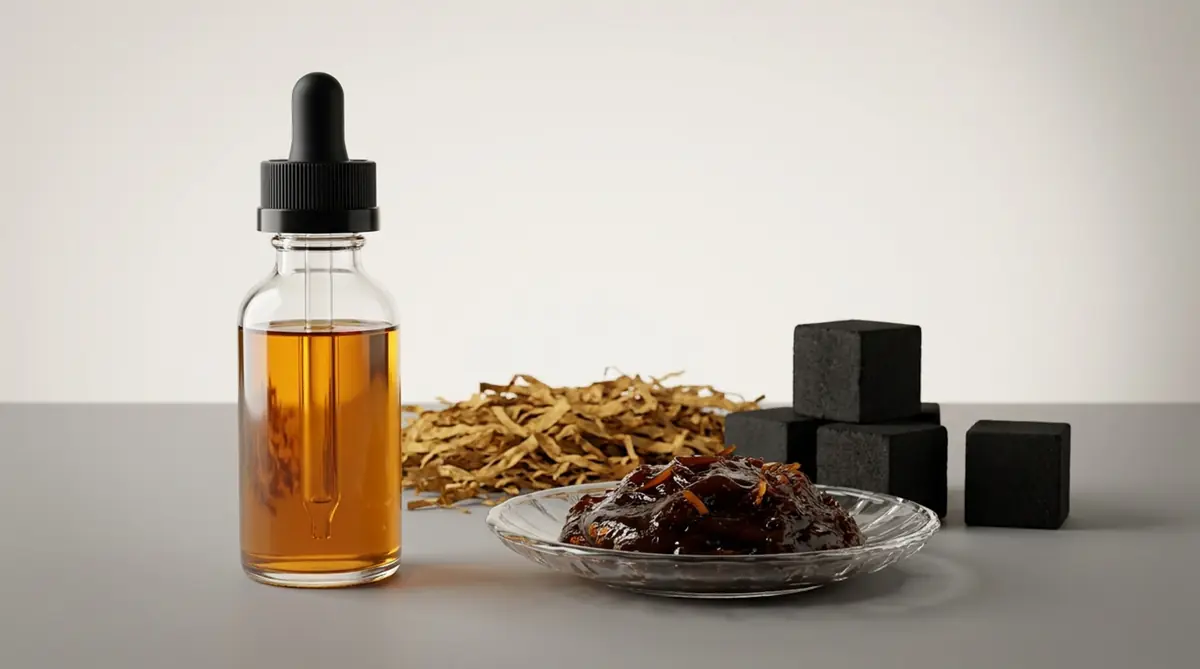
Hookah molasses and vape liquid are made very differently. Shisha starts with real, cured tobacco leaves blended with molasses, honey, vegetable glycerin, and food-grade flavorings. As the bowl heats up, the interaction between the glycerin and rich flavorings produces thick clouds with a sweet, aromatic scent.
Vape liquid contains no plant leaves. It consists of a laboratory-blended base of propylene glycol (PG) and vegetable glycerin (VG), mixed with concentrated flavor extracts and nicotine. Today, modern hookah design has also inspired hybrid heating systems that warm real shisha molasses electronically without charcoal, showing how traditional ingredients continue to evolve with new technology.
Tar, Carbon Monoxide, and Other Combustion Byproducts
The chemical profile of what you inhale depends directly on whether combustion takes place. Because cigarettes burn plant material completely, they generate tar-a toxic residue made of hundreds of particulate chemicals-alongside high concentrations of carbon monoxide and carcinogens.
With a traditional hookah, carbon monoxide is also present, primarily coming from the burning charcoal briquettes rather than the shisha itself. During a standard 45-minute session, exhaled carbon monoxide levels can rise significantly. Vapes eliminate open combustion, meaning they do not produce tar or meaningful amounts of carbon monoxide. However, if a vape coil overheats or runs dry, the liquid can break down into aldehydes, and trace metals from the heating wire can occasionally enter the aerosol.
Nicotine-Free Products: Understanding the Emissions
Opting for nicotine-free options removes the risk of chemical dependence, but it doesn’t make the inhaled vapor completely inert. Nicotine-free vape liquids still contain propylene glycol, vegetable glycerin, and flavor compounds that break down when exposed to high heat.
Similarly, herbal or tobacco-free shisha uses ingredients like tea leaves, sugar cane fiber, or fruit pulp instead of tobacco leaves. While these blends eliminate tobacco-specific compounds, they are still heated using glowing charcoal in your bowl. You still inhale the combustion gases, carbon monoxide, and fine particulates created by the hot coals above the mixture.
Browse coconut coals →Hookah vs. Vape vs. Cigarette: Key Differences at a Glance
Combustion, Heating, and Aerosol Production
From an engineering perspective, each device handles temperature in a unique way. Cigarettes use direct combustion, burning until the tobacco rod is consumed. Hookahs rely on indirect thermal conduction and convection, where hot air from coals gently bakes moist shisha to release vapor and smoke. Vapes use direct electrical resistance to instantly turn liquid into a fine mist without burning any solid material.
Smoke, Vapor, and Aerosol Exposure
The total volume of what you inhale varies widely between these setups. A standard cigarette yields around 500 to 600 milliliters of smoke across 10 to 15 quick puffs. The session is brief, but the smoke is dense with combustion byproducts.
A complete hookah session involves significantly more volume. Over the course of 45 to 60 minutes, you might take 100 to 200 deep draws, translating to tens of thousands of milliliters of cooled smoke. The water base cools the draw, making it easy to inhale deeply without throat irritation. Vapes produce an aerosol mist that disperses quickly in the air, delivering flavor and nicotine without the heavy soot particles typical of combustible smoke.
Session Length and Frequency of Use
How and when you use these devices is also completely different. A cigarette break takes five to seven minutes, often repeated many times throughout the day as cravings return.
A hookah session is a deliberate, relaxed ritual. Preparing your setup takes care and patience: you clean the base, pack your bowl, light natural coconut coals on a burner, and manage the heat for a smooth draw. Because of this setup time, hookah isn’t something you use continuously all day; it’s typically reserved for relaxed evenings or weekend gatherings with friends. Vapes are the exact opposite. They require virtually zero preparation, turn on instantly, and allow you to take a single puff whenever you choose, which can easily lead to frequent use throughout the day.
Portability and Device Setup
Portability varies across the three formats:
- Hookah: Built as a centerpiece for your home or a lounge. It features a glass vase, a precision-machined metal stem, hoses, and hot coals. It requires a stable surface and regular maintenance, making it a stationary setup meant for settled relaxation.
- Cigarette: Highly portable. A pack and a lighter easily slip into your pocket, though outdoor weather and indoor rules dictate where you can light up.
- Vape: Extremely pocket-friendly. Modern pod systems and disposables are lightweight, compact, and ready to use without extra tools or accessories.
While compact travel hookahs offer easier transport, a water pipe setup will always be more stationary than a handheld electronic device.
Flavors and Customization
Personalization is where hookah culture and vaping truly stand out. Cigarettes offer virtually no variety beyond standard tobacco blends and occasional menthol options.
In contrast, shisha enthusiasts can explore new flavors across an incredible spectrum, from classic double apple and mint to complex blends of tropical fruits, sweet pastries, and warming spices. You can mix different molasses profiles in your bowl, select specific clay bowls to balance heat, or adjust your water level to customize your draw. Vaping offers a similarly broad assortment of fruit, dessert, and beverage flavors, alongside adjustable airflow and power settings on advanced devices.
Social Experience and Shared Use
The social dynamic of each device is entirely unique. Hookah is inherently communal. For generations, gathering around a water pipe, sharing conversation, and passing the hose has been a cornerstone of hospitality and connection. When sharing with a group, using disposable hygiene tips ensures a clean session for everyone.
Vaping is largely an individual, private routine. Modern pod systems are personal devices rarely passed around. Cigarettes sit somewhere in the middle; while typically smoked alone, stepping outside for a quick break often creates brief social interactions.
Typical Costs and Ongoing Supplies
Each option carries different upfront investments and ongoing expenses:
| Device Category | Initial Setup Cost | Ongoing Consumable Expenses | Primary Maintenance Needs |
| Hookah | $30 to $200+ (pipe, bowl, hose, tongs, burner) | $10 to $20 per session (shisha molasses, charcoal, foil) | High: rinse the base, clean the stem, and brush the bowl after every session |
| Vape | $10 to $80 (pod kit, mod setup, or single disposable) | $5 to $20 per week (e-liquid bottles, pods, or disposables) | Low to moderate: recharge batteries, refill tanks, and swap coils |
| Cigarette | $2 to $5 (basic lighter) | $8 to $18+ per pack (varies heavily with regional taxes) | None: single-use product discarded after smoking |
Investing in premium hookah equipment made from stainless steel or brass means your pipe can last for years with proper care. Your only ongoing expenses are quality shisha molasses and natural coals. Cigarettes have almost no initial cost, but daily pack purchases quickly add up over time. Vapes require an affordable entry setup, followed by regular purchases of replacement pods, coils, or e-liquids.
Understanding the Health Impacts
How Cigarette Combustion Creates Toxic Smoke
Public health consensus confirms that combustible cigarettes represent the most dangerous of the three formats. The primary issue is direct fire. Burning dried tobacco generates thousands of chemical compounds, including dozens of recognized carcinogens.
This smoke delivers heavy tar, carbon monoxide, benzene, and nitrosamines directly into the respiratory system. Over time, these compounds damage delicate lung tissue, contribute to cardiovascular strain, and dramatically elevate long-term health risks.
Why Water Does Not Make Hookah Smoke Completely Clean
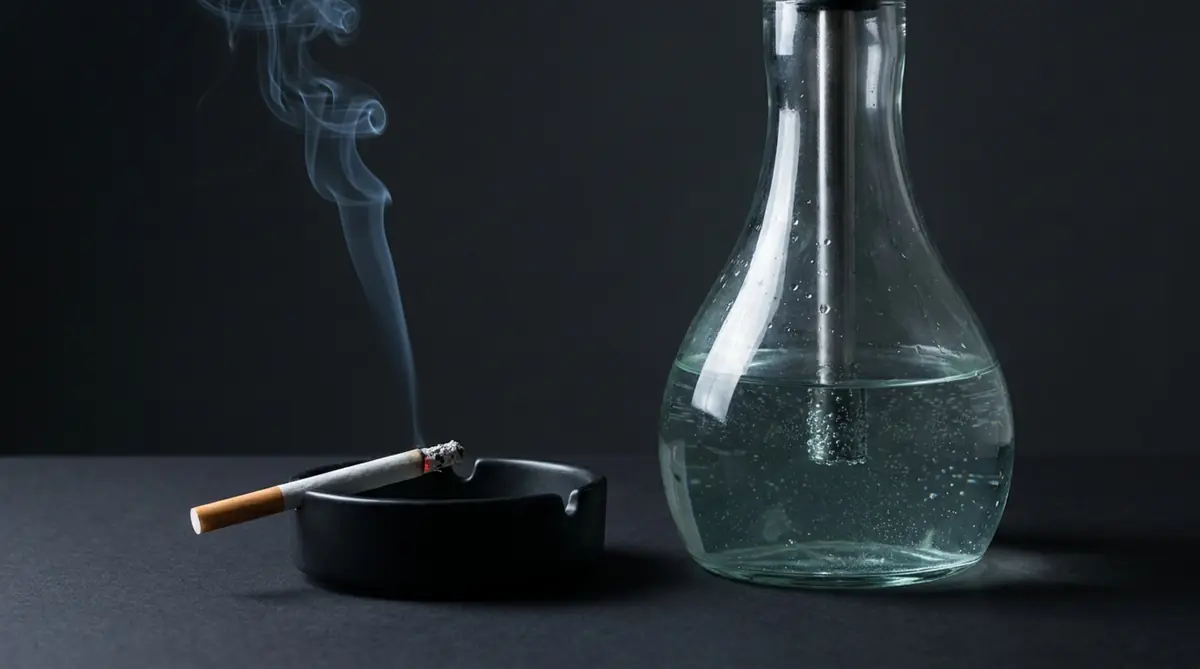
A common myth in hookah culture is the idea that the water base completely filters out toxins. While the water cools the smoke down to deliver a delightfully smooth draw, laboratory tests show it does not remove fine particulates, heavy metals, or combustion gases.
Because carbon monoxide and volatile organic compounds do not dissolve readily in water, they pass straight through into the hose. The pleasant, cooled sensation can also lead you to inhale more deeply, making it vital to remember that water serves primarily as a cooling medium rather than an absolute filter.
Why a Single Hookah Session Involves Prolonged Exposure
Because a hookah session is a leisurely ritual lasting up to an hour, the total volume of smoke drawn is naturally much higher than that of a five-minute cigarette break. Over an extended session, you take many deep draws as you relax and enjoy the flavor.
Additionally, burning natural charcoal releases carbon monoxide into the draw. This extended exposure can temporarily raise blood carboxyhemoglobin levels, which is why proper room ventilation and good heat management are essential parts of setting up any session responsibly.
What Is Known About Vaping Risks?
Because vapes do not burn organic material, they avoid producing tobacco tar and carbon monoxide. For adult cigarette smokers who switch completely, electronic devices can substantially lower exposure to many traditional combustion byproducts. However, this does not mean vaping is without consequence.
Inhaling concentrated chemical aerosols into the lungs can still cause airway irritation. The purity of the hardware also matters greatly; poorly built heating elements or low-grade coils can shed trace metals into the vapor, and unregulated liquids can introduce unwanted impurities.
Nicotine Dependence Across All Three
All three methods can introduce nicotine to your system, stimulating dopamine pathways in the brain. Cigarettes deliver quick, sharp spikes of nicotine that reinforce frequent daily cravings.
Modern nicotine-salt vapes provide similarly rapid delivery in a pocket-sized format, making it easy to puff continuously throughout the day. With hookah, nicotine absorption happens slowly across an entire relaxed session. Even if you only prepare a bowl on weekends, a single session delivers a noticeable dose of nicotine alongside its rich flavors.
Secondhand Smoke and Aerosol Exposure
The surrounding emissions from each product behave quite differently. Cigarettes produce both inhaled smoke and continuous sidestream smoke directly from the lit tip, releasing unfiltered toxins into the immediate environment.
In a hookah setting, charcoal briquettes continuously release warmth and minor combustion gases into the room, which is why good airflow and dedicated ventilation are key elements of any great lounge or home setup. Vapes produce emissions only when the user exhales, creating an aerosol mist that generally clears faster than dense tobacco smoke.
Environmental Impact and Device Care
Beyond how they perform during use, each device leaves a different footprint on the environment. Cigarette filters made of non-biodegradable cellulose acetate remain a massive source of global litter, leaching trapped chemicals into waterways and soil.
Vaping has introduced modern electronic waste challenges. Disposable vape devices discard lithium-ion batteries and plastic casings into standard waste streams after only a few days of use. Hookah setups, by contrast, focus on long-lasting craftsmanship. A well-built pipe made from durable stainless steel or glass serves as a permanent lifestyle piece you clean and maintain for years, with the primary consumables being natural coconut coals and shisha molasses packaging.
Whether you appreciate the modern technology of vaporizers or the social ritual of traditional hookah culture, understanding how these devices operate helps you make informed choices. Mastering heat, choosing quality accessories, and understanding your equipment are the best ways to elevate your session and enjoy an authentic experience every time.
See also.
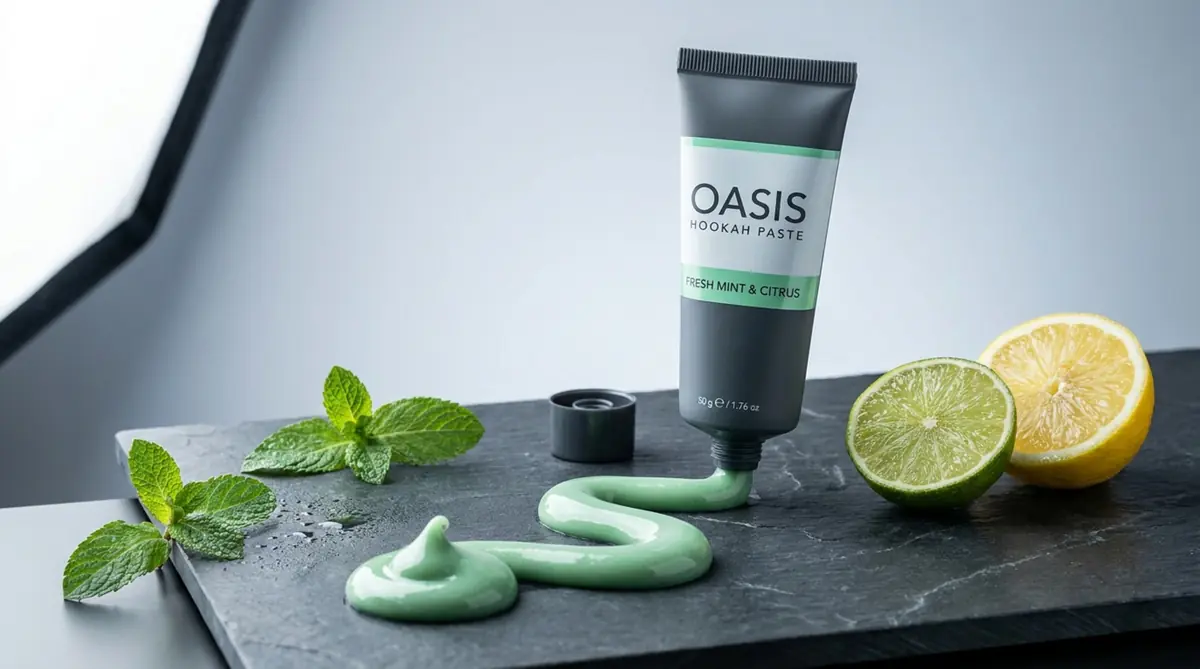
What Is Hookah Paste? A Beginner’s Introduction
What is hookah paste, and how does it fit into modern hookah culture? Hookah paste is a smooth, heat-resistant cream or gel that vaporizes into thick clouds and rich flavor without burning cured tobacco leaves. Packed into a bowl by itself or mixed with traditional shisha tobacco, it provides a clean, modern way to elevate […]
go to article
FAQ: Everything you wanted to know about Hookah
Hookah beginner smokers sometimes encounter all sorts of problems. No wonder, a water pipe is a complex tool and practically every part of it more or less translates into the quality of the smoking experience. For this reason, we decided to compile answers to the most common questions, such as smoking length or the possibility […]
go to article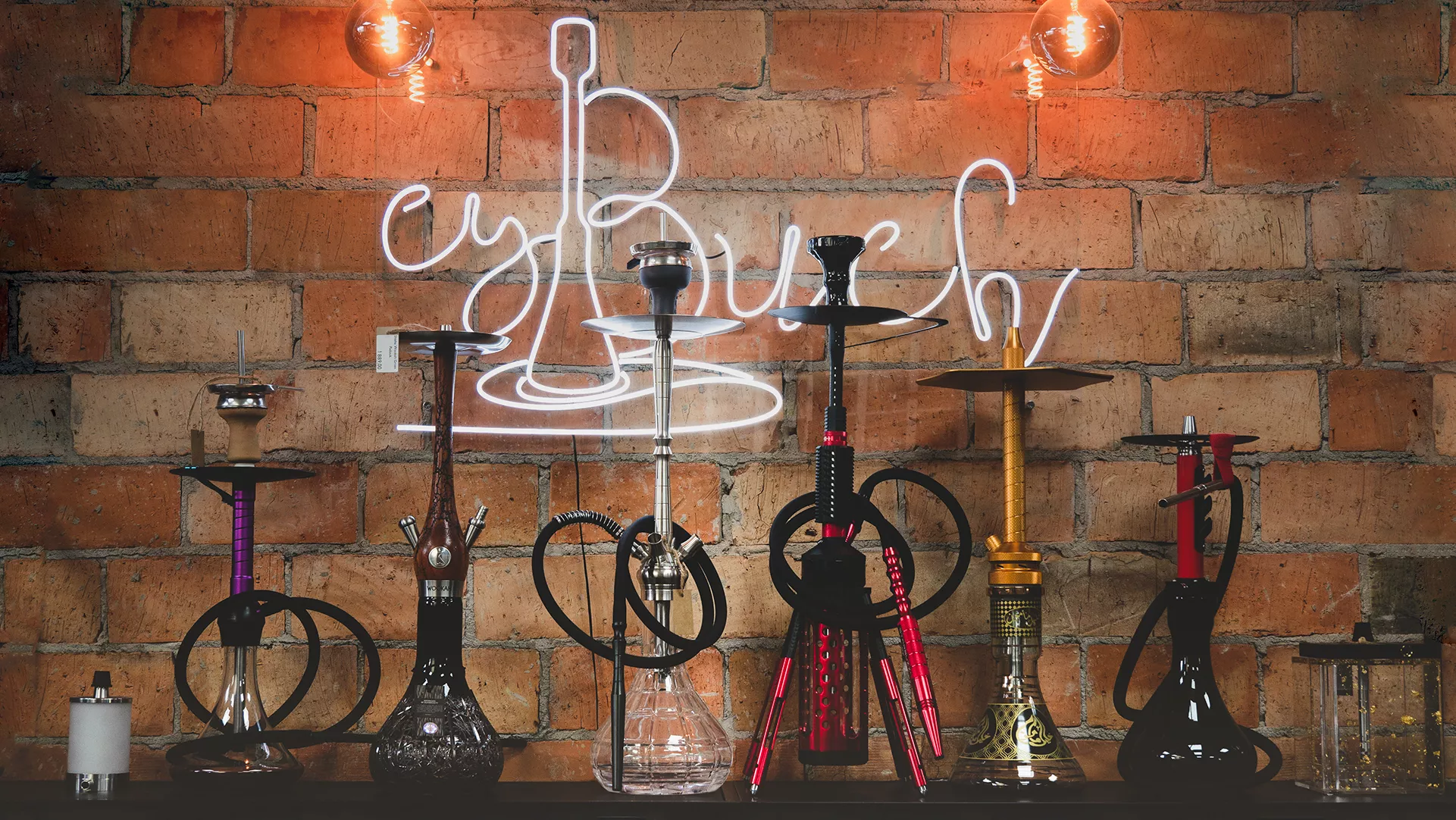
How to start the adventure with hookah?
The popularity of the water pipe is staggering. This is evident in the opening of new bars offering Hookah, and the number of people eager to start smoking a water pipe in the comfort of their own homes is growing every month. Beginners can be intimidated by the vastness of products, accessories and the general […]
go to article